


What Happened To The AHHB

Words by Phil Chard
As a writer, the temptation is to find some profound and verbose thing to say when a simple explanation will suffice.
That explanation is this - shit happens. As it goes when shit happens it tends to follow Murphy's Law.
For those that followed and supported The African Hip Hop Blog, you may have noticed the two-year hiatus on content. One of our former contributors Ts'eliso Monaheng documented our untimely and unexpected closure here.
In summation, life caught up to us all and shit happened.
Ross, Twaambo and I never planned nor wanted to shut down. However, we were haemorrhaging money and we could no longer afford to. As a business, The African Hip Hop Blog was not a profitable one. But that was by design.
When Ross started this platform as 25toLyf it was because he was someone who loved music and wanted to promote it. Whether it was his childhood friends from the original 25toLyf clique and Mob Movers or an artist who emailed a submission - he sacrificed time and money simply because he wanted to invest in his passion. When Twaambo and I joined the team, we did so for love. We gladly sacrificed countless hours building the brand because that is what our passion dictated.
I fondly remember the times where I would finish work and stay in the office until 10 pm reviewing submissions and writing articles. Or the countless weekends I sacrificed to review an album and prepare a Mixed Bag Monday post. Not once did we never think about money. We were young and loved African music. We could see the movement that was taking shape and we wanted to be part of it. Being able to share that passion was rewarding enough.
Our readers saw that passion too. We grew from a few hundred visitors every month to thousands and eventually millions. Part of that was the content and part of it was due to the brilliance of Twaambo and his SEO skills. If we wrote about it, guaranteed we were always on the first page of Google.
As we grew the investment grew. Once again, we never questioned the money. I remember not questioning the need to spend my savings on equipment or to travel across borders for an event.
At this point, the blog had become bigger than we expected or planned for. But, probably because of naivety we still never considered the money. To us, money in content represented everything wrong with the culture. It softened critiques, it watered down opinions, it violated the trust we had built with our readers.
I recall a time when an alcoholic brand was doing a co-branded campaign with a Hollywood movie. They approached us to be part of the campaign and we turned the money down without batting an eyelid. Our reasoning - "this brand and movie don't have anything to do with Hip Hop. We can't sell out." Even back then the amount offered was substantial - buy a nice car substantial. Yet somehow, we didn't think twice. It's surreal to reflect on that level of blind naivety and passion. Sometimes I cringe at the youthful ignorance of it all.
There were more brands, more offers, from online clothing retailers to electronic companies. All of whom didn't meet our exacting and non-descript standards.
But like a living organism, the blog kept growing, even without our coaxing. Submissions kept multiplying. By 2017 we were receiving upwards of 200 submissions a week. Our inboxes were overloaded. So much so we had to design a proprietary submission tool.
Writers began contacting us. Events wanted to partner with us. It was no longer a side project; our baby had grown into a full-time responsibility. Still, the passion remained. Sadly, our ideals did not evolve. Well not fast enough to stay afloat.
In a few years, the blog had gone from costing us a few hundred dollars to several thousand. Eventually, we pivoted and began taking on advertising and brand deals. But we were still selective, still naive. We partnered with brands like Multichoice, Sprite, Absolut Vodka, Vodacom and many more. We're eternally grateful for their support but that support couldn't stem the tide.
While this was happening, we were all getting older, we all had more responsibilities, more demanding jobs, more bills, more of life's hurdles to overcome.
We couldn't keep the momentum going and we all decided that a break was needed. A new strategy and business model needed to be crafted. During this time, I stopped checking blog emails. The thought of tackling that ever-growing mountain of unread messages would induce a panic attack. I doubt any of us checked, the thing we loved so much had become a job, a stressful job where the paycheques were going the wrong way. It was during this time a payment to our host lapsed and the unfortunate events detailed in the article referenced above occurred.
Without warning our baby was gone. We didn't want to lose her. At the time I was in a fellowship under the guidance of some brilliant minds in the hopes of developing a business strategy that would work and scale for the blog
But it was too late the data was gone and unrecoverable.... kinda. We still do have a text backup of the site which I am manually restoring. The AHHB will return and visitors will no longer be met with an “Under Construction” landing page. We feel we owe that to you, the readers, the artists and the writers who spent hours building this brand.
Point Black: The Next Chapter

You may ask. What is this website? What is Point Black? Why have the social media handles for the @AfricanHHB changed? Well, this company was created partly because of the blog. Once we realised an entity needed to be formed to receive payments and develop campaigns for clients we formed Point Black. Even though the team has moved on - Ross is now working in the upper echelons of the music industry and Twaambo founded one of the biggest music platforms in Zambia. We still work together, and we share a common goal - to promote African content and African creatives.
Our passion never wavered; our love never waned. We just needed to rethink things. Even when the blog was operational, I could not see a viable business model for online content that allowed us to maintain our independent voice, create high value editorial content and meet our costs. We saw how brands would buy articles, how artists would try swing for favourable reviews. We saw the click-bait headlines and the web pages so overrun with ads they were impossible to navigate. We wanted no part of that game, so we consciously took our ball home. We left the game, but we planned to return.
After 2 years of plotting a way forward, this is our next chapter. For now, The AHHB will remain as a backup of all the content we created before Digital Ocean chose to nuke it without warning. In its place Point Black will continue to work on promoting artists across the continent, building this creative industry, and telling our stories.

Our first major project in this chapter is The Pungwe Sessions Volume 2. It has been 6 years in the making and the team here has worked tirelessly to make it happen. We hope you will continue to support us on this new chapter the same way you did before.
To everyone that made The African Hip Hop Blog the award-winning, culture-shifting giant that it was, thank you. From the readers to the professors who referenced us and the artists that trusted us with their work. Thank you.
To the writers who contributed - Ts'eliso Monaheng, Sabelo Mkhabela, Mayuyuka Kaunda, Shingai Darangwa, Simon Mudimu, Christine Rupiah, Lombe Kabinga, Philani Dlamini, Ross Hagan, Twaambo Haamucenje and anyone else who contributed, thank you. You have all moved on to bigger things and if it weren't for you this amazing ride would have ended far sooner.
AHHB for Life!
Also, backup your shit. Then back up that backup.


Let’s Meet: Swaziland’s Lyrikal Busta
by Contributor
Words By Philani S. Dlamini

2016 was a great year for Lyrikal Busta, from scooping two awards at the Swaziland Hip Hop Awards (SHHAs) to being signed by Swazi Boy Entertainment. Thando attributes all this success to hard work and teamwork, he further explains that “I couldn’t have done it without some people who have been there since day one and those include my supporters, family, Majestic Crew, M.Seth, Ncwiki F, Alex Muti, NevesAox, Jurie, Coddy Neyy Xoku the list is endless.”
Born Thandolwethu Masuku, Lyrikal Busta is a talented lyricist who burst into the local music scene with the hit banger entitled ‘Amanda Mo’ - an ode to the Swazi songstress of the same name. In this song he expresses his love for her as he narrates their first encounter. Though a decent effort it was not one of his strongest offerings.
The 20-year-old who hails from Mbabane, Swaziland’s capital. He fuses SiSwati and English in his rhymes to share his life stories through song. Currently pursuing a degree in journalism and media at Limkokwing University of Creative Technology, the young lyricist was awarded the “Best Newcomer” and “Best Club banger” at the inaugural Swaziland Hip Hop awards in 2016.
“The name Lyrikal Busta dates back to my primary school years when I actually discovered my talent and we were deeply into hip-hop, and almost every kid in school was spitting. During that time I thought of a stage name that would describe how I saw myself and the type of route I wanted to follow as a rapper.” He further explains, “the name Lyrikal Busta has over the years helped me to up my game since I’ve been aware of the expectations brought by the stage name as I have to bust good lyrics.”
Being the only child, he had no one to play with asa youth and found music as a way to quell the boredom. “ I fell in love with hip hop at a tender age, with both parents deeply into music which helped me understand the basics and fundamentals of almost every genre,” he explains. His first encounter with hip hop was through influences from his friends at Saint Mark's High where hip hop music was the dominant genre amongst students. “My art is inspired by the life around me. My life growing up in the hood (Msunduza) and being exposed to different kinds of people. Where I’m from I see concepts and inspiration everywhere and every corner hides a new story to share to the world and that is what I base my music on.”
“My first step in writing a song and probably the most important is inspiration. The second one is actually planning and arranging the track that is the part where I actually get to see who I can work with in terms of vocals and production” he narrates his song writing process. “After that, I write down my lyrics either on a beat (if it has been produced already) or write the lyrics first then work on the beat. I’m a poetry fanatic so I try by all means to align my raps to poetry”
There is evidence of the growth of the genre in the kingdom, with the establishment of a local hip hop magazine called Thirty2b , the inaugural Swazi hip hop awards just to mention a few. The two time award winning artist believes Swazi hip hop has not reached its pinnacle yet and says they are far from that. “Definitely in not time Swazi hip hop will be a force to reckon with. Music has grown a lot in the kingdom as more people are starting to follow what we do, moreover the sound production, lyrical content and branding has improved tremendously” he explains.
With hit singles like Umculo neNdilinga, Awumenlancane just to mention a few, he mentions that his long awaited album entitled New Skool New Rules will be hitting the streets soon. He also states that he will be releasing a single song entitled Litfuba where he has teamed up with Zimbabwean born producer Alex Muti and one of Swaziland’s finest poet Sbu J. His new single Dance For Mi has been on heavy rotation on Swaziland’s radio stations.
The Beat Of SoundCloud Mixtape Vol. IV
by Phil Chard
Every week we comb through Soundcloud’s massive catalogue of new music to find you the best African Hip Hop available, which we then package into an easy to consume Soundcloud Mixtape. Think of it as a modern revamp of the mixtapes from the good old days, just without the illegal bootlegging, the annoying DJ shouting over your music and a CD that would no doubt be stolen from your car before you had a chance to enjoy it.
This week we have music from M.anifest, Zakwe, YCEE, Tekno, DJ Towers, FRATPACK, BigStar Johnson and many more.
M.anifest - 100% Feat. Worlasi
Zakwe & Skye Wanda – Only
YCEE — CONDO (remix) feat. Patoranking, Khuli Chana and KiD X
Brian G - Maria Musande Featuring. Guluva 7
Truey Donatello - Pleasure And Pain Feat. Fredd Nicee
PdotO - This Can't Be Life Feat Kimosabe
Tekno - Pana
Imanse Feat. Falz - Gbona Remix
PdotO - This Can't Be Life Feat. Kimosabe
DJ towers Feat. Simba Tagz, Marcques, Tinashe Makura - Mablesser
FRATPACK – 32 Special
Die – Salwing - Hulle Loer Ja (Explicit)
Dex Kwasi – Bass
BigStar Johnson – Understand
Sarkodie – Sarkoholics
Twizz Alpha – Cloud Above
Guluva 7 – City Of Kings
Truey Donatello – No Favours
Vol IV

D-Black Featuring MI Abaga – Champ (Official Video)
by Phil Chard
Ghana’s D-Black and MI Abaga were invited to South Africa by SA Tourism a few months ago to help promote the nation in West Africa. While on the trip the two took the time of out of there schedule to shoot a video for their song Champ. Directed by Nick Campos the video is far from a complicated affair featuring the two rapper reciting their verses in front of a garage filed with two luxury super cars while taking occasional break to recite the verses inside the car.

Meet Cape Town’s New Supergroup, Contra Gang
Words by Sabelo Mkhabela
Contra Gang is a newly-formed Cape Town hip-hop collective consisting of a diverse array of members including Uno July(rapper), Camo (rapper), Stan1 (vocalist and producer), J1TheGod (rapper and producer), M’tunez-I (rapper), Simmysimmynya (rapper), Psyc’ AK (producer) and Don Loyiso(producer).
After a few singles and some performances around Cape Town, the crew has released their first collective project The Code EP, and it doesn’t disappoint.
Contra Gang is an exciting crew – it represents what I personally feel is lacking in Cape Town hip-hop, and that is the integration of old and new school artists. It’s refreshing to hear OGs like Uno July and Camo rapping alongside new talent like Simmysimmynya, J1 The God and M’tunez-I.
Writer Akhona Shasha from the Cape Town hip-hop blog Mic In Check, even went as far as comparing Contra Gang to the legendary crew Prophets of the City, one of the first South African hip-hop outfits. He wrote, “I have not been this excited since Cape Town’s supergroup Prophets of the City, yeah I said it; you heard me; they have the potential to be on that legendary level.”

Time will tell.
The production on The Code is mostly bass-heavy, leaning towards trap except for the jazzy smoothie “Campaign.”
Overall The Code is coherent project that displays the crew’s diverse skills set, and nothing is forced. It’s evident that the dudes had a great time working on the music, and that always translates to a great listen.
On the interview below, Contra Gang discuss how the group was formed, and take us through the EP.
Stream the EP below and download it here.
Twitter: @ContraGangSA

Veezo – Pre Visa Review
Words by Mayuyuka

Veezo's always been an impressive rapper, he stands out on features and first caught our attention on eventual Family Tree signee, Tshego's Fomoza. "It's the V -double the E, Z O". That announcement has rung in my head many a time so stumbling across this solo Veezo project in late last year was really exciting. Pre Visa is a 6 track project made with the help of frequent collaborator Yaw Bannerman, Thaiwanda Thai and Ginger Trill.
On Zaka, arguably the standout effort of the project, Yaw and Veezo combine on another beastly beat by Rookie Gold. This song best represents the flow Veezo seems to effortlessly possess. The melody, hook, ad libs and rhymes occur in a twilight zone between ragga, trap, hip hop and dancehall. It's beautiful. This track, and the EP by extension, isn't a tired rendition of Controlla-esque songs even though it plays in the same neighbourhood. The hammer definitely connects with the nail on this one... it's on-trend but a uniquely Veezo offering. When Veezo proclaims "y'all niggas is old hand me my throne" he's spot on because "it doesn't matter if you hit it first... who's a Ray J to Kanye West?"
Rookie Gold handles the production on Get Lost and Veezo's hook is layered with some smooth vocals. It's a laid-back joint that jilts into overdrive with every approaching bridge. On the hook topic: Yaw Bannerman deserves bottomless daps for his contribution to the Obado-produced Come and Go. The perfect collab. A hook-driven song paired with a solid beat for Veezo to ride over. And if you thought the bars would be sacrificed in favour of vibes the line "I got a table for two now we eating at Tasha's, she order the shank... I'm moving in silence I order Lasagne" reminds you of the rapper's pedigree.
The barfest is undoubtedly the Ginger Trill-featuring Not My Fault. It's got some choice lines like Veezo's "I got these niggas tryna hang like they Emmett Till", "You became a bitch like Mister Jenner did" and Trilly's equally potent "Allah-u-ak-bars, fuck an atheist". Checkout the two link up again on Ginger's GVNG Tapes too.
The direction of the album is great and with a strong influence of ragga evident in the features of Yaw Bannerman and Thaiwanda Thai. The visceral reaction to his music is what makes Veezo so Amazing as the opening track featuring Mane Dila attests. It's the flow, the riding over beats and the literal punch at the end of his lines that gets you. In a game that's either annoyingly safe or absurdly over the top, there's a great balance achieved in Pre Visa. More impressive is the fact that it's done with the Botswana Hip Hop scene seemingly held together by Faded Gang and it's affiliates. It's no throwaway line when Veezo says "left a country full of diamonds just to bring back all the gold".

SOWETAN PRODUCER SPEEKA TALKS HIS LATEST EP, KASI RAP, AND FUTURE PLANS
Words by Sabelo Mkhabela
Speeka is a producer from Soweto. He has worked with big names in the kasi rap subgenre, like Siya Shezi, Chaka Dolla, MaseVen, among others. He released a 7-track EP called Organized Grime about a month ago, and it’s a gem. If you are into kasi rap, that’s fraught with personality, metaphors, similes and banging beats, it’s definitely for you.
Speeka is also a music junkie of note, he has released multiple beat-tapes and produces a YouTube series called the Sotra Cypher, which has more than 10 episodes now. Below, we chat to Speeka about the EP, Sotra Cypher, his thoughts on kasi rap, South African hip-hop in general and more.
Who is Speeka?
I am a music producer, video editor/director, graphic designer, voice-over artist from Protea Glen, Soweto.
Please take us through your latest EP. How you picked the features, etc.
Organized Grime is a 7-track EP that features great talent from Soweto, namely; Infektist, MaseVen, Chaka Dolla, Darkie, Rev Tumza, Etcetera Inkunzi Emnyama, Theo Songstress, Soweto Tshepiso, Noks Matchbox, Sfilikwane, Mthizo, Jef, Rapid, Loux Artiste and Cbuu Clouds. Didn't really have a set way in which I picked the artists. All of them just kind of made sense for each song they were featured on.
Do you come up with the concepts yourself or you just give the beats to the artists and they do as they please?
For this particular project, I came up with the concepts of the tracks. However, the concept for "Part Ya Mapantsula" was Mthizo's as the track was initially his. It was originally recorded back in 2011, but the files went missing. We re-recorded it for this project. Similar with "Ingozi". Infektist heard the beat and just ran with it.
Are you working on a full-length album?
I'm working on a number of projects (EPs and mixtapes). All will be mentioned as time goes.
How has the response to the project been?
It's been amazing! Not a single bad review from ANYONE. It's worrying me a bit, actually.
What song was the most memorable to make? Please let us know why.
"Dear Rea..." dedicated to my daughter, which is the only song I rap on. I made the beat in March 2016 and only wrote and recorded it in September 2016. When I made the beat, all I had was the last line of my verse. Then one September evening after a telephonic conversation with my daughter (the same one heard in the song) I wrote and recorded it. It took me about 50 takes (laughs). I am not a recording artist, but I tried. It was a dope experience.
Do you think kasi rap is dead?
I don't think it's dead. As long as artists like the ones I worked with on my EP keep making music, it'll stay alive.
Please tell us about the Sotra Cypher series.
It came about during a recording session for MaseVen's "Havoc Reloaded" album. All the artists that were in studio that day (Zwes Tornado, Big Zulu, Anzo and NubianQueen Masisi) were to be featured on songs for his project. During a break in recording I randomly, without thinking, asked to take a video of the guys spitting random bars and they agreed. I didn't really have a plan. The next morning I was sitting with the footage I had taken and thought maybe I could do this every month. I came up with the title "Sotra Cyphers" while busy editing it (and designed the logo at the same time). The rest, well, we're on part 10 now... and counting. I enjoy it so much/
What's your production setup like?
Pretty simple: PC, sound card, midi keyboard, monitors. That's all.
What's your dream setup?
Never really thought about it (which is bad, I know haha) I guess I'm too focused on "the now". But I'll hit the YouTube streets and find out what would be dope. I need to up my tech IQ.
What are the challenges of making music in Soweto?
Biggest challenge would have to be getting paying customers, I guess. Maybe I need an agent or manager or what-what.
What would you like to achieve in the long run as a producer?
It would be pretty dope to live solely from making music. Also, to show those kids whose parents tell them to quit with the "noise" and get a "real" job that it's possible to live off your craft.
What are your thoughts on SA hip hop at the moment?
Bigger than it's ever been. It's beautiful.
You are a music junkie of note. Please give us your top 5 favorite SA hip-hop tracks of all time.
Let me see...
The list probably changes every week, but number 1 remains the same. Hands down.
Do you have anything you'd like to share that I didn't ask you about?
Can't think of anything right now, but to quote Nas, "Save the music, y'all..."
Grab a copy of Organized Crime on iTunes and Bandcamp.
@SpeekaRSA

Africa’s Digital Distribution Conundrum: iTunes Isn’t The Answer
Words by Phil Chard
Africa is continent hampered by underdevelopment and failing bureaucracies. Yet, it also finds ways to lead the charge towards new technologies and systems.
Take the mobile banking revolution and how systems like Mpesa have revolutionised not only mobile banking, but the the way in which the populace transacts in East Africa for instance. The barrier of entry into the formal system for the average working class African was too high, so a cheaper and more convenient way was created..That revolution was spurned because of a need within the banking sector.
The same parallel can be drawn for the music industry. As the majority of African nations transitioned from colonial rule to independent states, the Western record labels that had set up shop decided to leave the playground and take their toys with them. What remained were disjointed music industries with no means to produce and distribute works en masse. Demand for this music never waned. What happened was that the ability to sell it effectively was abruptly removed. When demand exceeds supply, someone will find a way to meet those needs. In this case it was pirates. As technology developed, it became easier for pirates to become the main source of distribution for music fans who just wanted to listen to the music they loved.
It seems artists are playing an exhausting game of whack-a-mole. Once one problem is tackled, another one pops up.
Artists have struggled to keep up with pirates; how could they? Pirates had the distribution models, they had the customer base, they had already scaled their businesses up and were enjoying returns on the investments they made in the equipment they used to reproduce content cheaply. For an artist, playing catchup was a steep ask. From printing CDs, to finding fans, to finding ways to compete with pirates on price and distribution. Most artists just threw in the towel and resigned themselves to working with pirates to get the music to the ears that wanted to hear it. This was the case with Nigeria’s Alaba Markets. Artists would enter into deals with pirate and sell them the masters of their new music at a discounted rate. The pirates would then leverage their resources to distribute and sell this music. That tactic speaks to the ingenuity of Africans - instead of engaging in a losing battle with pirates , artists decided to recruit the pirates as their distributors.
Technology has now leaped forward. Artists and pirates are on almost identical footing now. Almost...
With digital distribution options, artists can distribute their music to hundreds of musical stores instantly with the upload of a .wav file and the click of a few buttons. They can reach their social media fans instantly with one post, and they can share that content with blogs and media publications by e-mailing them a press release. With digital distribution. artists can now reach their fans just as effectively and easily as the pirates can. Pirates still have the upper hand though, and it’s price. You can’t undercut someone selling a product for free. Piracy still thrives because the new pirates are blogs and torrent sites who make money on advertising impressions and not sales.
Read my Detailed Analysis On The Issue Of Piracy Here
It seems artists are playing an exhausting game of whack-a-mole. Once one problem is tackled, another one pops up.
So how do artists use digital distribution to ensure that their music is reaching fans across the world while simultaneously guaranteeing that these fans can pay for it easily and the artist can be rewarded for their efforts?
OK let's discuss. All about solutions. Shoutouts to you for coppin it via mobile money tho. https://t.co/eWuL9Esl5l
— M.anifest (@manifestive) March 16, 2017
Enter iTunes, the music solution pioneered by the turtleneck advocate and revolutionary Steve Jobs. iTunes sparked the revolution that shifted the entire Western music industry on its head towards a movement commonly referred to as “the unbundling of the album”. Before iTunes, artists and labels made their money from selling albums. The formula was simple:. Create 1-4 standout singles to place on the album and drive interest. Fill the rest with whatever you could and watch the money roll in as every fan was forced to pay for the full album even if they only wanted to hear 1 or 2 songs on the project. iTunes changed that. Fans could buy only the songs they wanted to hear. Obviously this was bad for record label business and good for the fans.
Eventually, the labels adjusted their strategies. Cohesive albums have now taken a backseat while singles have taken over. Albums are often held back until the artist can produce a commercial hit to back the effort. I have spoken to several artists who have had projects shelved for years because of this. Based off of a MIDiA research study, which found that streams originating from playlists were 20 times greater than streams from end-to-end listening of an album and nearly three times the number of streams from albums, one could argue that the labels have a point.
A look at how artists like AKA are releasing music shows the shift to singles, and the the depreciation of albums
In recent years we've seen African artists shift their attention to iTunes as the solution to distribution.. This has become even more apparent with Apple Music now setting its sights on Africa. Artists like Mr Eazi have partnered with the platform to promote his project. We've also seen artists now refer to iTunes chart position as the defacto measurement of success.
On paper it makes sense; iTunes is one of the planet's biggest online music platforms. Some might argue that it's ubiquitous, and in some cases has become the premier channel for digital music. Apple ships millions of phones every quarter, while iTunes’ market cap accounts for billions of dollars.
Though true, iTunes domination in the USA or Europe does not translate to Africa. In 2015, Apple iPhone devices only accounted for 2.2% of the mobile market in the Middle East & Africa and only 7.9% of the devices in South Africa. At best, an African artists is only reaching between 2-8% of their potential fan base. On a continent with only 362 million active Internet users (29% of the population) and only 226 million with smartphones (this figure includes Android, Windows Phone, iPhone and Blackberry) it makes little sense to use iTunes to reach the masses.
In Africa these are the steps a fan needs to go through before they can make an iTunes purchase
Purchase an iPhone (Prices for the current model iPhone 7 start at $750 USD).
Have access to a fast and reliable, preferably unlimited Internet connection. Prices may vary depending on your region.
Possess an approved credit card, or have access to iTunes vouchers
Be prepared to part with $1USD for every single and $10 USD for every album (Prices do vary by region)
Despite the highly exclusionary nature of iTunes, the pricing model in the store makes no sense for Africa. iTunes has simply tried to replicate the model it uses in the West here, and it won't work in Africa. Simply, people can't afford it. Owning an iPhone and having the disposable income to purchase music regularly on the platform is an extreme sport in Africa. The cost of the phones and steps needed to create the account, plus the cost of data, does not translate into something that will gain critical mass.
Apple remain tight-lipped about their numbers, they always are.
A few months ago, while trying to gain insight into the African music charts, I began a tracking the iTunes singles and albums charts in Nigeria, South Africa and Kenya via a service called Soundcharts. What I discovered was that sales for African acts across the continent were embarrassingly low on iTunes. I spoke about my findings in detail on Twitter, and you can review them below. International albums that are as old as 20 years are regularly outselling new local releases. What this shows is that Africans simply aren't buying music on iTunes, and it’s mainly due to the reasons I have mentioned above.
ITunes Charts Are Useless - Curated tweets by PhilChard
To their credit, Apple has tried to address the pricing issue by allowing prices in local iTunes stores to reflect the “expected” rates of that particular region. I recently switched from an American iTunes account to a South African account because I would pay half the price for my Apple Music subscription and save about 30% on music purchases after converting.
The fact remains: iTunes is not a solution to reach the masses. It's a niche service for high-value fans willing to pay a little more for convenience.
How Can iTunes Change This?
If iTunes aims to become the platform of choice for African fans, the company needs to have an iTunes app for Android. Getting Apple Music on Android was a smart move and a critical first step that introduced the Apple ecosystem to Android users and enthusiasts, similar to how iTunes introduced itself to Windows users when it launched for Windows in 2003. Once you have people in your ecosystem, making purchases and building their libraries in iTunes, they are less likely to leave.
I'm the perfect example of this. I have been an ardent Windows user since birth. In 2004 I switched from Windows Media Player and Winamp to iTunes. I have spent thousands of dollars in the iTunes store on music. Despite being an Android enthusiast I would use an iPhone as a second phone simply because I was so entrenched in the iTunes ecosystem.
I type this in a very tongue-in-cheek fashion. I know iTunes will most likely not introduce any of these steps, and I don't blame them. Their business is running smoothly without my help. With over $216 Billion in cash reserves, they can be forgiven for not focusing their sights too hard on Africa.
And that's the point.
Apple doesn't have to adapt its services for Africa. The Apple brand is so big they can still afford to operate as an exclusive brand with attractive operational margins. Apple, and iTunes by extension, have planted their flag on the continent and demanded that we adapt to their culture. So why are we trying to do so? It's a square peg for a round hole. Why do African artists miss this? iTunes shouldn't be your focus when number one albums can be crafted with a handful of purchases. No chart is a true reflection of the culture if albums released two decades ago are your biggest competition.
Ensuring your music is on iTunes and being promoted on the platform should certainly be part of an African artist’s strategy, but it certainly shouldn't be the main focus. The majority of your fans aren't on iTunes. The answer to where they are is more complex; there is no one platform that enjoys continental domination. This is where artists have the opportunity to band together and create custom solutions for their fanbases.
What Diamond Platnumz has done in Tanzania is launch a webstore for his record label Wasafi. You can purchase music from Wasafi artists and other Tanzanian acts on it. The site is still glitchy when trying to process international card payments, and it certainly isn’t the panacea we are hoping for. But it is a workable, scalable solution for Africa.
As it stands, telcos seem to be leading the charge towards finding a ubiquitous system for music purchases. Several elcos are replicating the MTN model.
But can we, should we, trust telcos to help carry us to the promised land? Recent history would suggest no. COSON is suing MTN for $80 million dollars for non payment of publishing royalties. Tigo Tanzania was ordered to pay AY and MwanaFa close to $1 million dollars in a copyright dispute.
Until changes are made and real growth is experienced, iTunes charts in Africa will hold the same weight as my 25-metre breaststroke certificate from 1992 that my mother hangs on her office wall. It's a cute achievement, a source of pride that she uses as a conversation starter with friends. But in the grand scheme of things, it doesn't mean shit.

YCEE Visited Tim Westwood’s Crib To Talk About His Sony Deal
My phantom so clean like I wash that mother fucker every Sunday in Holy water.My Jesus piece clean, either the shoes is Christian or I'm walking on holy water
Nigerian rapper YCEE has been in the UK for a couple of weeks now and while he enjoys his time overseas the Tinny Ent artist has been doing a few press rounds. After passing by Beat99.5 and BBC 1Xtra YCEE also popped by Tim Westwood's "crib" for an interview and freestyle session.
During the chat Ycee shares details about his Sony Music deal by revealing
"a lot of people were asking because in recent times Davido got a Sony deal, a lot of artists have been getting Sony deals. I think mine is different where they just handle distribution, they don't have any power over the creative output or anything. What we do is we work on the music and Tinny music is still very much in control "
You can view the entire interview below where YCEE also speaks on his time at UNILAG pursuing his marine biology degree and how he would sleep on the floor every night.

Cassper Nyovest’s Tito Mboweni: An Effort To Recapture Lightning In A Bottle
Words by Phil Chard
I got a Bentley and a Bentley. Major League in this bitch
Cassper Nyovest's third album Thuto drops on the 7th of May and "Abuti Fill Up" dropped his first official single off the album titled Tito Mboweni - a song named after the South African reserve bank governor.
Upon first listen it feels like Cassper is trying to recapture the lightning in a bottle that created his epic rise to stardom. Much like his 2014 release Doc Shebeleza , the song is titled after a notable person in South African culture and the song also borrows heavily from American Trap influencers.
New Cassper drops on the 7th of May. Who is copping? pic.twitter.com/Nmr9SmHK8Y
— African Hip Hop Blog (@AfricanHHB) March 1, 2017
However unlike Doc Shebeleza I don't see this single capturing the zeitgeist of the South African Hip Hop audience the way the former release did. Firstly because the Gemini Major produced Tito Mboweni is a blatant copy and paste of the sound and delivery that Future has been pushing for over two years. From the beat to the cadence and delivery. Future's name is plastered all over this release.
Read Gemini Major Departs From Family Tree
It's not the first time that Cassper has borrowed elements from other rappers, but now it feels like he's gotten away with it so much he's pushing the envelope further and further. Cassper doesn't even try to hide where he got the inspiration for the song as he copies the hook from Future's and Drake's 2015 release Jumpman. The copy job continues on the last 4 bars of the song as Cassper adopts an inaudible rapid-fire flow reminiscent of previous Future releases.
Cassper is clearly an artist at a crossroads in his professional career. He's no longer the underdog. He's no longer trying to build a brand, he's now fighting to maintain it. It's a lot harder to replicate success when everyone is looking at you and you have to deliver. He's proven he can create a hit and deliver a hot verse. But producing a steady stream of (original) hit singles is still something he is yet to master.

Wayase About B3nchMarQ’s Future?
Words by Phil Chard
t's been a busy month in South African Hip Hop. With defections and scandals galore. One of the bigger scandals happened 3 weeks ago when a number of artists including A-Reece, Fifi Cooper and B3nchMarQ announced their departure from Ambitiouz Ent.
In the ensuing aftermath Ambitiouz decided to respond to the allegations being made against them by B3nchMarQ on Twitter. Curiously they only decided to respond to B3nchMarQ alone and not the litany of accusations being made by the other defectors.
In a series of what I can only describe as ill-advised tweets, Ambitiouz accused B3nchMarQ of having unreasonable expectations and constantly demanding remuneration which did correlate to the work they were producing.
The duo denied these claims before hurling a medley of insults and accusations at their former label and its employees.
Though the issue is clearly far more complex that what meets the eye. There are a few caveats that I gleaned from this situation
Firstly if B3nchMarQ truly were on a R20,000 salary they don't realise how good they had it. The life of an artist is tough. Finding a balance between creating art, promoting that art and developing a brand that will eventually translate into show money is not easy. If both members were receiving R20,000/month that translates to R480,000 a year in salaries. Keep in mind this money is paid out and the leveraged against future potential earnings from the group (if Ambitiouz are operating their books the way a label normally would).
When you consider that B3nchMarQ have not really set the scene alight in the last year outside of lending their voices to Ambitiouz features and their solo release for All On Me that R480,000 salary is nothing to scoff at. Coupled with the fact that B3nchMarq were enjoying a series of bookings (whether they paid or not is yet to be seen), TV appearances , Radio bookings and publicity simply because they were associated with Ambitiouz and its artists
Secondly Ambitiouz made some claims regarding the expenses accrued while trying to establish the group. Frankly that was unnecessary and petty. The role of the label is to assume the risk of creating an artist(s) that comes with the territory.
So at this point we are dealing with a situation where it seems like both the label and artists might have had a number of misunderstandings which affected their business relationships. However if Ambitiouz is indeed planning on taking the issue to court as they tweeted, we will be able to get a clearer idea of how these contracts were structured. Except B3nchMarQ claim they never signed any contracts!
In a recent interview with Slikour the duo said they never signed any documents with the label. This is a massive red flag. However the bigger red flag appeared when Slikour asked the artists who owned the publishing and Tkay responded by saying
"Ummm ahhh, I don't really know who owns the publishing, nobody got a royalty cheque"
WHAT?!?!?
You are creating music, this is your job, this music is meant to feed you, yet you don't know who owns the very things you create as an artist?
But things continued to devolve, further along in the interview PJay described how the artists were booked for shows and how they were paid. The group was adamant that this arrangement was not fair and corrupt. But essentially what the group described was a standard arrangement for a booking agent who is paid a retainer as well as a commission for bookings secured.
It's scary to consider how little these artists know when that knowledge is essential to their survival.
Now onto the new music from the group. Last week the duo announced a new single titled Wayase with Nigerian rapper Ice Prince. The song is a smooth and mellow joint that will play well at laid back gatherings. It's not really a radio themed song but it would do well with a video.
However after the departure Ambitiouz announced that the group was free to release their music, which I assume was worked on while they were still signed. It's hard to imagine that they were able to secure a feature from Ice Prince in just two weeks whole dealing with all this turmoil.
However Ambitiouz didn't say anything about their old releases and in true petty style the label has deleted all solo B3nchMarQ records from its YouTube page. Despite being Petty it's also short sighted - now Ambitiouz cannot monetise that video and at least try to make the money spent back on it.
MOVES #WAYASE ✈ pic.twitter.com/1zZU1hJOba
— B3nchMarQ #WAYASE (@B3nchMarQ) March 4, 2017
Soon after the release of Wayase the duo also announced that they were going on a UK your that would include Dublin, Birmingham and London in May. Now I'm not one to try and pour water on their parade but who will be attending these shows? B3nchMarQ objectively only have 1 certified hit which is no longer available on YouTube and no longer has the marketing efforts of a label behind it. AKA, Cassper Nyovest and KO have all toured UK riding off the back of massive singles (some of which were getting rotation on British radio) and still struggled to fill small venues and bars. Not to mention that AMbitiouz seems to be pushing for an injunction barring the former signees from performing songs that were released while they were on the label. If Ambitiouz does indeed won the master recordings for these songs there are workarounds to this issue, however it is yet another speed bump foe the group as they look to etch their own path.
The future for B3nchMarQ is still very uncertain from my point of view but I worry deeply about any artist who feels they are entitled to certain benefits when they don't even understand their own basic rights as an artist. It's very difficult for me to understand how they can complain about not receiving royalty cheques when by their own admission they have no idea of how much of a royalty they are owed.
Stream: King Blake – Situation EP
Words by Phil Chard

Lemogang Nonceba is a 24 year old rapper hailing from South Africa city of Krugersdorp. The young rapper goes by the name of King Blake –a name she adopted because she aims to be “eccentric in the male dominated industry "
The young artist shared part of her musical journey here:
“Most people think I'm a rapper or hip hop head but the truth is I'm a singer. I did many musicals in high school and I was in the church choir for a while. When I got into the studio for the first time, I jumped on a crunk beat and that's how the rapping came about! It was all in the name of fun but as soon as people heard the song and liked it, I took my rapping skills seriously and started honing it from there. I believe I've finally found myself and my sound since that moment. I now enjoy rapping more than singing.”
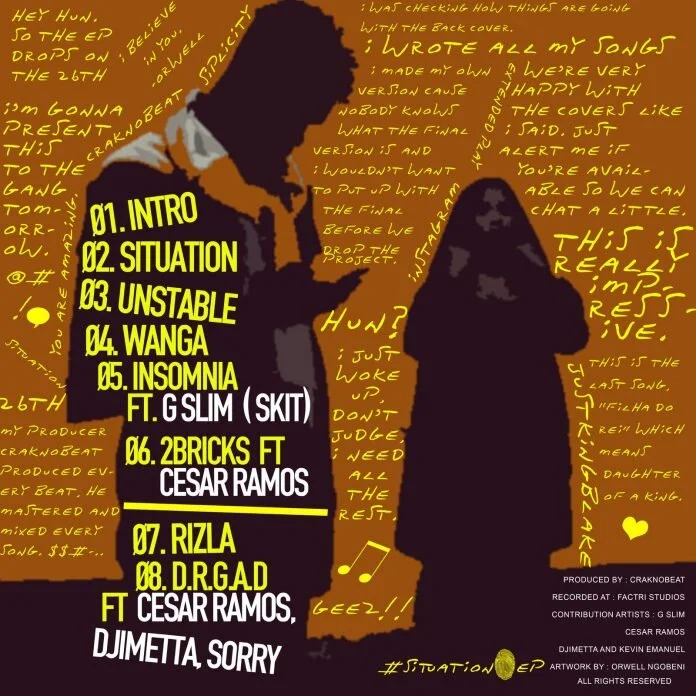
Situation is King Blake's debut EP and features 8 songs that resides firmly within the environs of trap and uptempo dance with altered vocals and screwed effects accentuated by interludes that circle around the subject of drug use.
King Blake effortlessly switches in between fast rap deliveries and mellow vocals. In an industry desperate for representation from women, King Blake looks like she could add some much needed diversity and talent.
@JustKingBlake

Gemini Major Leaves Family Tree To Partner With Da L.E.S’ Growing F2D Imprint
Words by Phil Chard
Two weeks ago I received word from several very reliable sources that Gemini Major had left Family Tree to work with Da L.E.S and his resurgent Fresh 2 Def imprint. When we reported on the issue Gemini dismissed our report as a fabrication and his manager urged us to await an official announcement.
Gemini Major has just left Family Tree and signed with Da L.E.S new imprint Fresh 2 Def. #Malawi #SouthAfricapic.twitter.com/NX0Z9KmKQp
— African Hip Hop Blog (@AfricanHHB) February 21, 2017
However a week later The Plug published an interview with Da L.E.S where the North God confirmed that he had now signed Gemini Major and the Malawian's newly formed imprint Rudebouy Records.
.@ThePlugSA interviewed @2freshLES and he confirmed that @GeminiMajor is indeed now part of Fresh 2 Def https://t.co/jehbCHDyN2 pic.twitter.com/9mhzE7LE6y
— African Hip Hop Blog (@AfricanHHB) February 27, 2017
Gemini and Cassper kept things very mum and the whole of Family Tree performed at the Metro FM Awards in Durban. Over the weekend Gemini finally broke his silence about the split, first speaking about it on SABC's Live Amp and then by releasing an official statement via his new Publicist. It would be interesting to see how things at Family Tree develop over the next few weeks as Cassper gears up for his album release in May.
Across the street however Da L.E.S seems to be crafting his own empire. Already having partnered with Yanga and his Young Legend imprint, he has now secured Gemini Major. He's also been hinting that similar "partnerships" could be on the cards with Stilo Magolide, L-Tido and Moozlie via some vague post on Instagram page. Not to mention DJ Double D who is official signed to the Fresh2Def label.
It's all looking very interesting indeed. Read the statement below;
Gemini Major announces the launch of his new label Rudebouy Major
Gemini Major wishes to announce his departure from Family Tree records. "It has been a great journey with special memories made and I'm thankful of all the opportunities, but now it's time to focus on other things and grow as an artist and brand," Gemini commented.
The prolific rapper and producer-extraordinaire responsible for some of hip-hop's biggest tracks is setting up his own record label called Rudebouy Major in partnership with Fresh 2 Def owned by rapper Da L.E.S.
Remarks Gemini Major: "The future is full of possibilities and I charge ahead with so much optimism and positive vibes. It's a matter of time before Rudebouy Major becomes a force to be reckoned with in the local music space. Watch out for us and all the new artists and collaborations we will unleash in the not so distant future."
Gemini Major has made a name for himself for producing massive hits like Ragga Ragga where he features Nadia Nakai, Riky Rick and Cassper Nyovest and Lifestyle of Da L.E.S where he features and dozens more collaborations.
Born Gilbert Kamoto, Gemini Major is a Malawian artist who moved to Durban to pursue his music dream. Although a celebrated force in hip-hop, his repertoire spans R&B, house, dancehall, pop and gospel. His portfolio includes production used in TV shows such as Gold Diggers, Forever Young and Mo Love.
Despite denying our reports 2 weeks ago, Gemini Major has released a statement confirming that he has left Family Tree to work with F2D pic.twitter.com/wCmZ4hjW8w
— African Hip Hop Blog (@AfricanHHB) March 6, 2017

Kyle Lewis: A Director Comfortable On The Fringes
Words by Phil Chard
The temptation to fall back on the oft overused Bill Watterson quote that "genius is rarely appreciated in its time" is hard to overcome when I describe Kyle Lewis and his visual work. On the surface, the fact that one of South Africa's most creatively gifted and boundary-pushing directors has not secured an award for Best Video in the last 4 major music award shows to be held in his home country, despite having been nominated in every one, is astounding; more so that he didn't secure an award at the 2016 SA Hip Hop Awards despite securing 5 of the 10 nominations. My astonishment is further compounded by the fact that his short film masterpiece for Riky Rick’s Exodus has not been nominated at any of these awards despite winning both Kyle and Riky Rick a Loerie Award in 2016.
"These award shows are always great, it's always great to get recognized for art that you put out there, but not to sound cliche or anything I am more proud to be able to work with really incredible artists," says Kyle.
Of those collaborations with incredible artists he speaks of, it is his relationship with Riky Rick that he seems to cherish the most. When I spoke with him over Skype a few months ago about the genre pushing work they've produced, Kyle waxed lyrical about Riky's creative flare. The two first met on the set of Spoek Mathambo’s video for Blah Blah Blah, which Kyle directed and Riky appeared in. Kyle is quick to remind me that the two aren't fast friends: "I'm not cool enough to hang with him," he points out. But they immediately recognised their creative synergies.
"Anytime that Riky calls me I will work with him. No matter his budget. We aren't best friends or anything but I think we get each other creatively"
The conversation centres around the two impressive collaborations that Riky and Kyle released in 2016 - Fuseg and Exodus. The former happened to be the first collaboration from the two artists while the latter proved to be one of Kyle’s most challenging efforts to date. The director proudly relates of how he and the crew had to forgo a litany of niceties on set to squeeze the final product out of the video's R200,000 budget.
There's something special about our filmmakers and how we approach things "
"Futsek was such a turning point in my career. Meeting Riky and working with him opened me up creatively because he has such a brilliant mind and his music is so inspiring to make music to. Music is subjective. But when I approach music visuals I want it be a little more artistic,I like the viewers to think about it more than what meets the eye. I want conversations to be started. It doesn't doesn't always have to all be the Americanised look and feel of things. We can have our own individual look and voice There's something special about our filmmakers and how we approach things "
"Riky approached me[for Exodus] and said he didn't want to do a music video, he wanted to do a film... There are a lot of deeper meanings and subtexts in it. What it is, is someone rising up from bad circumstances and becoming a God-like figure like Riky "
The narrative of someone rising up to etch their own path in life is a theme Kyle himself is familiar with. The Cape Town director says he always knew he wanted to make films and attended film school before working as a PA in the industry. Kyle soon made the decision to surrender a steady pay cheque in a job that wasn't fulfilling his creative desires and instead decided to start his own production company. It was while he was on his own that Kyle met the Locnville twins who convinced him to direct their debut video for Sun In My Pocket. It was the collaboration that was the launch pad for the careers of both the upstart director and the new Hip Pop act.
"When I first met Locnville I was convinced these guys wouldn't work out. They were two white boys trying to rap. But somehow it worked"
Since then Kyle's music video repertoire has steadily grown. From working with acts like Toya Delazy, The Parlotones, Khuli Chana, Tumi, Cassper Nyovest, Anatii and of course Riky Rick. As his notoriety has increased so have his budgets. During our conversation Kyle speaks of how creatively freeing it was to work with Cassper Nyovest on the video Video for Mr Madumane - his biggest music video budget yet which was tied to a Sanlam campaign. Despite being an accomplished advertising director who has produced big budget work for Nike, Absolut and Standard Bank, Kyle still sticks to a set of hacks and tricks that he uses to give his efforts a look that belies their actual budgets.
"I went to film school which didn't teach me too much. You learn everything you need to know when you're in the industry. I just feel there is a lot of limitations on what is taught in school."
"I love to create layers and levels with my images."
In an industry where visuals have become commodities that are simply part of the production line of a musical product, Kyle Lewis visuals tend to set themselves apart from the rest. It is why I gravitate to them. His visuals find a way to become a compelling product within themselves that relate their own narrative that enhances the message and feel of the song. In effect, his videos do exactly what a music video should do when it was first envisioned before template storyboards infected creative meetings.
"When it comes to my work you try every time to change it up as much as you can but there is something that comes through that is distinctly me. I never thought I would get that. I think I want to be remembered for pushing boundaries and pushing the medium as much as I could. If a little bit of what I do can inspire people to push themselves creatively then that would be the reason to do what I do"
Push boundaries he has. Last year after the release of his genre-bending video for Jump with Anatii, I came across the video from A$AP Mob for Yamborghini High which replicated a lot of the visual elements used by Kyle. "I wanted people to watch that video and think that their screens were broken " he quips when I ask about his motivation for Jump. He adopts a more humble tone when I speak about the similarities in the A$AP Mob video which dropped 2 months after his. "I did notice that about their effects... Maybe we were all pooling from the same collective consciousness"
Kyle says that he wants his art to foster discussion. It has not always been positive discourse however . His video for In Defence of My Art with Tumi was criticised for its depiction of black women chained like dogs. A criticism so scathing that 3 years later Tumi is still tweeting about it. In my review for his latest offering All Hail, I noticed that Kyle replicated visual elements from his previous efforts to create a visual that felt like an amalgam of his catalog.
But it is that amalgam that is part of Kyle's aesthetic. At a time when other creatives are more content with producing work that is passable while replicating the same elements we've seen time and time again. When everyone finds comfort in the middle of the road Kyle has found that comfort on the fringes. How far he is willing to explore those fringes is an answer only he can answer with his future work. Kyle also has the luxury of a number of corporate gigs to help fund his creative freedom (a freedom several directors do not enjoy) but he is adamant that his work is rooted in his creative ideals.
Despite the lack of recognition from the music industry for his efforts Kyle is still bullish on his place in the culture and the overall trajectory of the industry.
"The growth I've seen in the last five years in the country has been amazing. Not only visually but musically."
Always eager to work with new and creative voices, Kyle mentions a desire to work with KO and Black Coffee in the future. He closes out our conversation by revealing details of a short movie that he has made with Nasty C featuring three singles from the Durban rapper's debut album. Originally slated for release in early 2017 the project was pushed back until March and is set to premiere on The 10th.
I like many other fans am eager to see the results of his work. Like the fictional Mike Myers character, everything Kyle touches seems to turn to gold, not only in Khuli Chana videos.
Watch the preview for @Nasty_CSA's Veliswa short film directed by @actioncutkyle here pic.twitter.com/ctoTnDZZaV
— African Hip Hop Blog (@AfricanHHB) March 7, 2017

AKA’s Video For The World Is Yours Shows His Intent To Build His IIIRD WRLD Brand
Words By Phil Chard

The Supa Cala Fragilistic Mega just dropped his new video for his single The World Is Yours. Shot in Phuket, Thailand during his baecation with Bonang (who also makes a cameo) the video features scenes cliff side villas with infinity pools overlooking the sea, night time to shots of the country's famous markets and boat tours that have me looking out my office window solemnly.
The biggest takeaway from this video is how AKA has begun to make a concerted effort to develop his IIIRD WRLD brand. After attempting and failing to get out of his contract with Vth Season, AKA has been making an effort to establish his personal and company brands separate from his label.
In April last year long before the tweet trades aimed at Benza and Co, AKA launched the audio slide for his Dreamwork on IIIRD WRLD . Up until that point IIIRD WRLD had been something of a forgotten asset. The platform had launched about three years ago with much hype from AKA and Da L.E.S but quickly became a blog that merely reposted content from international sites. Eventually the site just stopped being updated and it no longer seemed to be a priority for the artists anymore.
However in 2017 AKA seems more focused on building his brand. the website now contains all of his music and even had banner ads for an energy drink! He also has his own cameraman who not only supplies AKA with high quality images for his Instagram page but has also been producing mini behind the scenes documentaries of AKA which are now being hosted on his IIIRD WRLD YouTube page.
Right now it is all speculation as to whether or not AKA is still intent on leaving Vth Season. I've been given a lot of information on the issue but until it's confirmed it is merely hearsay. What I do know is that this is the right direction for AKA and his brand and other artists should take note. AKA has also been building his Supa Mega clothing line which he sells at his SUpa MEga branded shows. Always look to build your brand on your own. Don't rely on anyone to do it for you.
African Hip Hop Blog Chart Watch January 30 2017
Words By Phil Chard

The team here at the African Hip Hop Blog are obsessed with numbers and trend analysis. To satiate our desire to figure out where urban and hip hop music is headed on the continent we have decided to start watching the charts and trying to see if we can read the tea leaves and see where consumer behaviour is trending..
We initially began #AHHBChartWatch on Twitter - where we would analyse the iTunes charts from the continent's three major markets ; South Africa, Kenya and Nigeria. However we soon realised that daily updates were not necessary because the charts are pretty stagnant. For example the iTunes Nigeria album chart has been frozen for the past week.
For now we will be using Soundcharts to monitor iTunes charts and Myplaydata.com for the Nigerian radio charts. We do have plans to start collating data from Kenya and South Africa with details from other regions to follow soon after that.
SOUTH AFRICA
Singles
The South African charts are the most active charts in the region with a fair amount of churn in the top ten. As of today Monday the 30th of January 2017 - Migos train smash of a hit is number one. The song has been firmly rooted St the number one spot for a week now. The song appears on the list twice (No. 1 and 10). This is because the single version of the song and the album version of the song are now available since the release of Migos new album Culture.
The first local entry on the chart is OKMALUMKOOLKAT at number with the Gqi taken off his highly anticipated solo debut album.
The next and final entry on the chart is AKA with The World Is Yours. Expect the video for that on February 2.
Albums
The album chart is once again dominated by Migos. Okmalumkoolkat is at number 2. Mlazi Milano has been hopping around the top 3 spots daily for the last week peaking at its current position.
Nasty C's Bad Hair Extensions is currently at three. It too has been hopping around the charts. It peaked at number 2 within the last week before falling out of the top 10 completely only to surge up to number 3 on the 25th of January.
Once again the rest of the chart is dominated by American acts. Special mention must go to Drake and J Cole who have had all three if the km their last respective projects floating in and out of the tip ten.
Nigeria
SINGLES
The Nigerian chart is a little more stagnant when compared to the South African. Missy Elliott surged to number one today with her comeback single I'm Better. The only other appearances from African artists are from P-Square with Personally at 5 (released in 2014) and Caro by Starboy, LAX and Wizkid at 7 (released 2013).
Album
As mentioned before the iTunes album chart in Nigeria has been frozen for a week. M.I's Chairman is still number despite it being over 2 years old.
Kenya
Singles
The Kenyan singles chart has been dominated by Americans, particularly Wiz Khalifa. His song See You Again has been at number 1 for a month. Darassa's Muziki has been hopping around the top 3 spots over the last week. With A.Y's Zigo at 7 still holding strong over a year after it was released.
Album
The Kenyan album chart is dominated American albums and catalog albums like 2Pac's and The Notorious B.I.G's Greatest Hits compilations.
Myplaydata
Wizkid's Daddy Yo has jumped to number 1 and is now the biggest song in Nigeria a month after it was first released just before Christmas. Dammy Krane's and Davido's collaboration Izzue comes in at 2 while Runtown's Mad Over You has dropped from number 1 to 3. Tekno's Pana has now spent 27 weeks on the chart and jumped back into the top 5.
South African Hip Hop And The Legends of Song
by Mayuyuka
Anyone interested in hip hop must have had the conversation about how much influence American acts seem to have on local artists. For better or worse, it won't end any time soon and the 'trap sound' will be replaced by something else in due time. Here's my take on this though:
We really shouldn't be too worried about South African hip hop adopting styles, trends or sounds we consider foreign or western... not even trap! Hip Hop is still very much in safe (South African) hands. I think a lot of contemporary hip hop keeps past South African music alive, whilst simultaneously introducing it to a new audience. Perhaps we take for granted that there is a percentage of young SA hip hop fans who may not have been exposed to the music that forms the basis of a lot of new hip hop releases. Over the past couple of years the most interesting local trend has been the infusion of kwaito sounds. The immensely popular Cara Cara by K.O, used this formula brilliantly!
Apart from just sounds though, witty name drops like L Tido's Steve Kekana hook keep the listening audience well informed of past South African musicians: L Tido also pays homage to Mshoza on Dlala Ka Yona. In terms of vocal samples, another Tweezy produced banger, AKA's All Eyes On Me interpolates Brenda's Fassie's Ngiyakusaba sample to great effect.
There are plenty of other examples of the past taking centre stage, including the Thebe inspired Bula Boot by Priddy Ugly. Cassper Nyovest's breakout hit rhythmically name drops kwaito legend Doc Shebeleza against a trap backdrop. Killer A's Siyay'Shova interpolates the legendary TKZee remarkably too!
Thankfully for fans of both old and new this re-purposing of sounds and name dropping of icons (re)introduces the sizeable fan-bases of this generations artists to legendary acts of the past. This also ensures that South Africa's proud musical history will remain an influence on contemporary music, including a genre like hip hop, often anxious about being influenced by 'western' trends!
Tracks Referenced:

A-Reece – Zimbali (Official Video)
Words By Phil Chard
Since signing with Ambitiouz Entertainment the style and persona of A-Reece has evolved from being a young lyrical backpacker to a verbally dexterous trap artist. Though it may have confused and put off some of his early fans, the evolution seems to be working.
Just a week after releasing his new album Paradise, The South African has dropped a video for his latest single Zimbali.
In a video (which seems to be produced by the newly minted Ambitiouz Visuals) we see the young rapper living out the dreams of classic rags to riches story, which include but are but are not limited to inviting woken in high heels onto the golf course. Dress code for who?

Lil Kesh – Ishe (Official Video)
by Phil Chard
Fresh off starting his own label, Y.A.G.I Records, Nigerian artist Lil Kesh just dropped the video for Ishe. The song is heartfelt yet up-tempo song about all the sacrifices Kesh’s mother made for him and the role she played in his success. This is beautiful song, I even got little misty eyed.
The video was directed by Squareball Studio’s Adasa Cockey

Introducing Kly
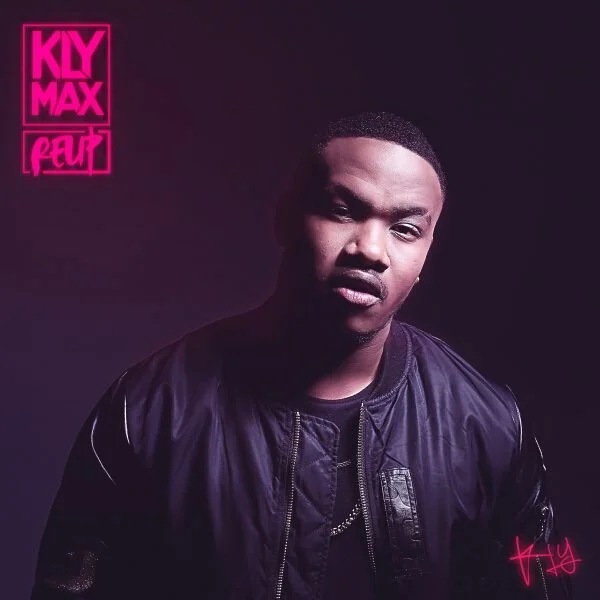
Kly, an acronym for Keep Love Young, is a South African Midrand-based artist who infuses trap, r&b, afro and electronic influences into what he terms urban soul. The talented artist is a triple threat as a singer, songwriter and producer who recently got the chance to sharpen his skills at Anashe Media Group's writing and production boot-camp.
The Klymax EP explores several themes as Kly “wanted this project to be a representation of a 22 year old navigating love, pain and the joys that come with life”. The impressive production credits include Brian Soko, Dj Maphorisa and Ray Kola with a majority of the project helmed by Wichi 1080. We've written about Wichi's impressive partnership before and in his latest musical team up; he lays down a lush landscape strewn with intricate basslines and unfettered TrapnB beats, upon which Kly can grace us with his vocals.
The track 5AM In The East features Wichi's frequent collaborator Priddy Ugly as well as fellow rapper Frank Casino. The title and aural aesthetic of the track are a strong signal of Kly's musical influences in the dark, overarching bassline and the simple hook. Soul Touch and Start Over more especially are indulgently romantic and perfect for anyone in their winter feelings. Wake and Bake is probably my favourite joint though, it's the best representation of a well sang, stripped down beat that still gets the speakers knocking. The EP is mellow throughout with standout tracks like Direction keeping the energy up midway through.
Direction is a superbly constructed cut and brings out the best in both producer and vocalist, with the infectious hook perfectly complimenting the catchy beat. Towards the closing, the Dj Buckz-featuring Ain't Done Yet shows a lot more bravado and the ambition in Kly shines through. It's the closest song you'll get to a straight up rap banger with sprinklings of vernac. Impressively, despite the switch up in mood and tone, the pace is well maintained: another sign of a well constructed listening experience.