


Africa’s Digital Distribution Conundrum: iTunes Isn’t The Answer
Words by Phil Chard
Africa is continent hampered by underdevelopment and failing bureaucracies. Yet, it also finds ways to lead the charge towards new technologies and systems.
Take the mobile banking revolution and how systems like Mpesa have revolutionised not only mobile banking, but the the way in which the populace transacts in East Africa for instance. The barrier of entry into the formal system for the average working class African was too high, so a cheaper and more convenient way was created..That revolution was spurned because of a need within the banking sector.
The same parallel can be drawn for the music industry. As the majority of African nations transitioned from colonial rule to independent states, the Western record labels that had set up shop decided to leave the playground and take their toys with them. What remained were disjointed music industries with no means to produce and distribute works en masse. Demand for this music never waned. What happened was that the ability to sell it effectively was abruptly removed. When demand exceeds supply, someone will find a way to meet those needs. In this case it was pirates. As technology developed, it became easier for pirates to become the main source of distribution for music fans who just wanted to listen to the music they loved.
It seems artists are playing an exhausting game of whack-a-mole. Once one problem is tackled, another one pops up.
Artists have struggled to keep up with pirates; how could they? Pirates had the distribution models, they had the customer base, they had already scaled their businesses up and were enjoying returns on the investments they made in the equipment they used to reproduce content cheaply. For an artist, playing catchup was a steep ask. From printing CDs, to finding fans, to finding ways to compete with pirates on price and distribution. Most artists just threw in the towel and resigned themselves to working with pirates to get the music to the ears that wanted to hear it. This was the case with Nigeria’s Alaba Markets. Artists would enter into deals with pirate and sell them the masters of their new music at a discounted rate. The pirates would then leverage their resources to distribute and sell this music. That tactic speaks to the ingenuity of Africans - instead of engaging in a losing battle with pirates , artists decided to recruit the pirates as their distributors.
Technology has now leaped forward. Artists and pirates are on almost identical footing now. Almost...
With digital distribution options, artists can distribute their music to hundreds of musical stores instantly with the upload of a .wav file and the click of a few buttons. They can reach their social media fans instantly with one post, and they can share that content with blogs and media publications by e-mailing them a press release. With digital distribution. artists can now reach their fans just as effectively and easily as the pirates can. Pirates still have the upper hand though, and it’s price. You can’t undercut someone selling a product for free. Piracy still thrives because the new pirates are blogs and torrent sites who make money on advertising impressions and not sales.
Read my Detailed Analysis On The Issue Of Piracy Here
It seems artists are playing an exhausting game of whack-a-mole. Once one problem is tackled, another one pops up.
So how do artists use digital distribution to ensure that their music is reaching fans across the world while simultaneously guaranteeing that these fans can pay for it easily and the artist can be rewarded for their efforts?
OK let's discuss. All about solutions. Shoutouts to you for coppin it via mobile money tho. https://t.co/eWuL9Esl5l
— M.anifest (@manifestive) March 16, 2017
Enter iTunes, the music solution pioneered by the turtleneck advocate and revolutionary Steve Jobs. iTunes sparked the revolution that shifted the entire Western music industry on its head towards a movement commonly referred to as “the unbundling of the album”. Before iTunes, artists and labels made their money from selling albums. The formula was simple:. Create 1-4 standout singles to place on the album and drive interest. Fill the rest with whatever you could and watch the money roll in as every fan was forced to pay for the full album even if they only wanted to hear 1 or 2 songs on the project. iTunes changed that. Fans could buy only the songs they wanted to hear. Obviously this was bad for record label business and good for the fans.
Eventually, the labels adjusted their strategies. Cohesive albums have now taken a backseat while singles have taken over. Albums are often held back until the artist can produce a commercial hit to back the effort. I have spoken to several artists who have had projects shelved for years because of this. Based off of a MIDiA research study, which found that streams originating from playlists were 20 times greater than streams from end-to-end listening of an album and nearly three times the number of streams from albums, one could argue that the labels have a point.
A look at how artists like AKA are releasing music shows the shift to singles, and the the depreciation of albums
In recent years we've seen African artists shift their attention to iTunes as the solution to distribution.. This has become even more apparent with Apple Music now setting its sights on Africa. Artists like Mr Eazi have partnered with the platform to promote his project. We've also seen artists now refer to iTunes chart position as the defacto measurement of success.
On paper it makes sense; iTunes is one of the planet's biggest online music platforms. Some might argue that it's ubiquitous, and in some cases has become the premier channel for digital music. Apple ships millions of phones every quarter, while iTunes’ market cap accounts for billions of dollars.
Though true, iTunes domination in the USA or Europe does not translate to Africa. In 2015, Apple iPhone devices only accounted for 2.2% of the mobile market in the Middle East & Africa and only 7.9% of the devices in South Africa. At best, an African artists is only reaching between 2-8% of their potential fan base. On a continent with only 362 million active Internet users (29% of the population) and only 226 million with smartphones (this figure includes Android, Windows Phone, iPhone and Blackberry) it makes little sense to use iTunes to reach the masses.
In Africa these are the steps a fan needs to go through before they can make an iTunes purchase
Purchase an iPhone (Prices for the current model iPhone 7 start at $750 USD).
Have access to a fast and reliable, preferably unlimited Internet connection. Prices may vary depending on your region.
Possess an approved credit card, or have access to iTunes vouchers
Be prepared to part with $1USD for every single and $10 USD for every album (Prices do vary by region)
Despite the highly exclusionary nature of iTunes, the pricing model in the store makes no sense for Africa. iTunes has simply tried to replicate the model it uses in the West here, and it won't work in Africa. Simply, people can't afford it. Owning an iPhone and having the disposable income to purchase music regularly on the platform is an extreme sport in Africa. The cost of the phones and steps needed to create the account, plus the cost of data, does not translate into something that will gain critical mass.
Apple remain tight-lipped about their numbers, they always are.
A few months ago, while trying to gain insight into the African music charts, I began a tracking the iTunes singles and albums charts in Nigeria, South Africa and Kenya via a service called Soundcharts. What I discovered was that sales for African acts across the continent were embarrassingly low on iTunes. I spoke about my findings in detail on Twitter, and you can review them below. International albums that are as old as 20 years are regularly outselling new local releases. What this shows is that Africans simply aren't buying music on iTunes, and it’s mainly due to the reasons I have mentioned above.
ITunes Charts Are Useless - Curated tweets by PhilChard
To their credit, Apple has tried to address the pricing issue by allowing prices in local iTunes stores to reflect the “expected” rates of that particular region. I recently switched from an American iTunes account to a South African account because I would pay half the price for my Apple Music subscription and save about 30% on music purchases after converting.
The fact remains: iTunes is not a solution to reach the masses. It's a niche service for high-value fans willing to pay a little more for convenience.
How Can iTunes Change This?
If iTunes aims to become the platform of choice for African fans, the company needs to have an iTunes app for Android. Getting Apple Music on Android was a smart move and a critical first step that introduced the Apple ecosystem to Android users and enthusiasts, similar to how iTunes introduced itself to Windows users when it launched for Windows in 2003. Once you have people in your ecosystem, making purchases and building their libraries in iTunes, they are less likely to leave.
I'm the perfect example of this. I have been an ardent Windows user since birth. In 2004 I switched from Windows Media Player and Winamp to iTunes. I have spent thousands of dollars in the iTunes store on music. Despite being an Android enthusiast I would use an iPhone as a second phone simply because I was so entrenched in the iTunes ecosystem.
I type this in a very tongue-in-cheek fashion. I know iTunes will most likely not introduce any of these steps, and I don't blame them. Their business is running smoothly without my help. With over $216 Billion in cash reserves, they can be forgiven for not focusing their sights too hard on Africa.
And that's the point.
Apple doesn't have to adapt its services for Africa. The Apple brand is so big they can still afford to operate as an exclusive brand with attractive operational margins. Apple, and iTunes by extension, have planted their flag on the continent and demanded that we adapt to their culture. So why are we trying to do so? It's a square peg for a round hole. Why do African artists miss this? iTunes shouldn't be your focus when number one albums can be crafted with a handful of purchases. No chart is a true reflection of the culture if albums released two decades ago are your biggest competition.
Ensuring your music is on iTunes and being promoted on the platform should certainly be part of an African artist’s strategy, but it certainly shouldn't be the main focus. The majority of your fans aren't on iTunes. The answer to where they are is more complex; there is no one platform that enjoys continental domination. This is where artists have the opportunity to band together and create custom solutions for their fanbases.
What Diamond Platnumz has done in Tanzania is launch a webstore for his record label Wasafi. You can purchase music from Wasafi artists and other Tanzanian acts on it. The site is still glitchy when trying to process international card payments, and it certainly isn’t the panacea we are hoping for. But it is a workable, scalable solution for Africa.
As it stands, telcos seem to be leading the charge towards finding a ubiquitous system for music purchases. Several elcos are replicating the MTN model.
But can we, should we, trust telcos to help carry us to the promised land? Recent history would suggest no. COSON is suing MTN for $80 million dollars for non payment of publishing royalties. Tigo Tanzania was ordered to pay AY and MwanaFa close to $1 million dollars in a copyright dispute.
Until changes are made and real growth is experienced, iTunes charts in Africa will hold the same weight as my 25-metre breaststroke certificate from 1992 that my mother hangs on her office wall. It's a cute achievement, a source of pride that she uses as a conversation starter with friends. But in the grand scheme of things, it doesn't mean shit.

Kyle Lewis: A Director Comfortable On The Fringes
Words by Phil Chard
The temptation to fall back on the oft overused Bill Watterson quote that "genius is rarely appreciated in its time" is hard to overcome when I describe Kyle Lewis and his visual work. On the surface, the fact that one of South Africa's most creatively gifted and boundary-pushing directors has not secured an award for Best Video in the last 4 major music award shows to be held in his home country, despite having been nominated in every one, is astounding; more so that he didn't secure an award at the 2016 SA Hip Hop Awards despite securing 5 of the 10 nominations. My astonishment is further compounded by the fact that his short film masterpiece for Riky Rick’s Exodus has not been nominated at any of these awards despite winning both Kyle and Riky Rick a Loerie Award in 2016.
"These award shows are always great, it's always great to get recognized for art that you put out there, but not to sound cliche or anything I am more proud to be able to work with really incredible artists," says Kyle.
Of those collaborations with incredible artists he speaks of, it is his relationship with Riky Rick that he seems to cherish the most. When I spoke with him over Skype a few months ago about the genre pushing work they've produced, Kyle waxed lyrical about Riky's creative flare. The two first met on the set of Spoek Mathambo’s video for Blah Blah Blah, which Kyle directed and Riky appeared in. Kyle is quick to remind me that the two aren't fast friends: "I'm not cool enough to hang with him," he points out. But they immediately recognised their creative synergies.
"Anytime that Riky calls me I will work with him. No matter his budget. We aren't best friends or anything but I think we get each other creatively"
The conversation centres around the two impressive collaborations that Riky and Kyle released in 2016 - Fuseg and Exodus. The former happened to be the first collaboration from the two artists while the latter proved to be one of Kyle’s most challenging efforts to date. The director proudly relates of how he and the crew had to forgo a litany of niceties on set to squeeze the final product out of the video's R200,000 budget.
There's something special about our filmmakers and how we approach things "
"Futsek was such a turning point in my career. Meeting Riky and working with him opened me up creatively because he has such a brilliant mind and his music is so inspiring to make music to. Music is subjective. But when I approach music visuals I want it be a little more artistic,I like the viewers to think about it more than what meets the eye. I want conversations to be started. It doesn't doesn't always have to all be the Americanised look and feel of things. We can have our own individual look and voice There's something special about our filmmakers and how we approach things "
"Riky approached me[for Exodus] and said he didn't want to do a music video, he wanted to do a film... There are a lot of deeper meanings and subtexts in it. What it is, is someone rising up from bad circumstances and becoming a God-like figure like Riky "
The narrative of someone rising up to etch their own path in life is a theme Kyle himself is familiar with. The Cape Town director says he always knew he wanted to make films and attended film school before working as a PA in the industry. Kyle soon made the decision to surrender a steady pay cheque in a job that wasn't fulfilling his creative desires and instead decided to start his own production company. It was while he was on his own that Kyle met the Locnville twins who convinced him to direct their debut video for Sun In My Pocket. It was the collaboration that was the launch pad for the careers of both the upstart director and the new Hip Pop act.
"When I first met Locnville I was convinced these guys wouldn't work out. They were two white boys trying to rap. But somehow it worked"
Since then Kyle's music video repertoire has steadily grown. From working with acts like Toya Delazy, The Parlotones, Khuli Chana, Tumi, Cassper Nyovest, Anatii and of course Riky Rick. As his notoriety has increased so have his budgets. During our conversation Kyle speaks of how creatively freeing it was to work with Cassper Nyovest on the video Video for Mr Madumane - his biggest music video budget yet which was tied to a Sanlam campaign. Despite being an accomplished advertising director who has produced big budget work for Nike, Absolut and Standard Bank, Kyle still sticks to a set of hacks and tricks that he uses to give his efforts a look that belies their actual budgets.
"I went to film school which didn't teach me too much. You learn everything you need to know when you're in the industry. I just feel there is a lot of limitations on what is taught in school."
"I love to create layers and levels with my images."
In an industry where visuals have become commodities that are simply part of the production line of a musical product, Kyle Lewis visuals tend to set themselves apart from the rest. It is why I gravitate to them. His visuals find a way to become a compelling product within themselves that relate their own narrative that enhances the message and feel of the song. In effect, his videos do exactly what a music video should do when it was first envisioned before template storyboards infected creative meetings.
"When it comes to my work you try every time to change it up as much as you can but there is something that comes through that is distinctly me. I never thought I would get that. I think I want to be remembered for pushing boundaries and pushing the medium as much as I could. If a little bit of what I do can inspire people to push themselves creatively then that would be the reason to do what I do"
Push boundaries he has. Last year after the release of his genre-bending video for Jump with Anatii, I came across the video from A$AP Mob for Yamborghini High which replicated a lot of the visual elements used by Kyle. "I wanted people to watch that video and think that their screens were broken " he quips when I ask about his motivation for Jump. He adopts a more humble tone when I speak about the similarities in the A$AP Mob video which dropped 2 months after his. "I did notice that about their effects... Maybe we were all pooling from the same collective consciousness"
Kyle says that he wants his art to foster discussion. It has not always been positive discourse however . His video for In Defence of My Art with Tumi was criticised for its depiction of black women chained like dogs. A criticism so scathing that 3 years later Tumi is still tweeting about it. In my review for his latest offering All Hail, I noticed that Kyle replicated visual elements from his previous efforts to create a visual that felt like an amalgam of his catalog.
But it is that amalgam that is part of Kyle's aesthetic. At a time when other creatives are more content with producing work that is passable while replicating the same elements we've seen time and time again. When everyone finds comfort in the middle of the road Kyle has found that comfort on the fringes. How far he is willing to explore those fringes is an answer only he can answer with his future work. Kyle also has the luxury of a number of corporate gigs to help fund his creative freedom (a freedom several directors do not enjoy) but he is adamant that his work is rooted in his creative ideals.
Despite the lack of recognition from the music industry for his efforts Kyle is still bullish on his place in the culture and the overall trajectory of the industry.
"The growth I've seen in the last five years in the country has been amazing. Not only visually but musically."
Always eager to work with new and creative voices, Kyle mentions a desire to work with KO and Black Coffee in the future. He closes out our conversation by revealing details of a short movie that he has made with Nasty C featuring three singles from the Durban rapper's debut album. Originally slated for release in early 2017 the project was pushed back until March and is set to premiere on The 10th.
I like many other fans am eager to see the results of his work. Like the fictional Mike Myers character, everything Kyle touches seems to turn to gold, not only in Khuli Chana videos.
Watch the preview for @Nasty_CSA's Veliswa short film directed by @actioncutkyle here pic.twitter.com/ctoTnDZZaV
— African Hip Hop Blog (@AfricanHHB) March 7, 2017

Introducing Kly
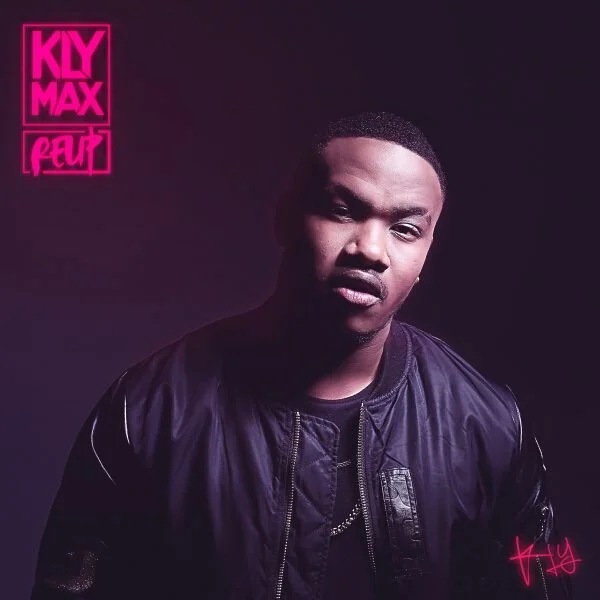
Kly, an acronym for Keep Love Young, is a South African Midrand-based artist who infuses trap, r&b, afro and electronic influences into what he terms urban soul. The talented artist is a triple threat as a singer, songwriter and producer who recently got the chance to sharpen his skills at Anashe Media Group's writing and production boot-camp.
The Klymax EP explores several themes as Kly “wanted this project to be a representation of a 22 year old navigating love, pain and the joys that come with life”. The impressive production credits include Brian Soko, Dj Maphorisa and Ray Kola with a majority of the project helmed by Wichi 1080. We've written about Wichi's impressive partnership before and in his latest musical team up; he lays down a lush landscape strewn with intricate basslines and unfettered TrapnB beats, upon which Kly can grace us with his vocals.
The track 5AM In The East features Wichi's frequent collaborator Priddy Ugly as well as fellow rapper Frank Casino. The title and aural aesthetic of the track are a strong signal of Kly's musical influences in the dark, overarching bassline and the simple hook. Soul Touch and Start Over more especially are indulgently romantic and perfect for anyone in their winter feelings. Wake and Bake is probably my favourite joint though, it's the best representation of a well sang, stripped down beat that still gets the speakers knocking. The EP is mellow throughout with standout tracks like Direction keeping the energy up midway through.
Direction is a superbly constructed cut and brings out the best in both producer and vocalist, with the infectious hook perfectly complimenting the catchy beat. Towards the closing, the Dj Buckz-featuring Ain't Done Yet shows a lot more bravado and the ambition in Kly shines through. It's the closest song you'll get to a straight up rap banger with sprinklings of vernac. Impressively, despite the switch up in mood and tone, the pace is well maintained: another sign of a well constructed listening experience.

AHHB R&D | Producing Your Own Music Video Part 4
by TNGlive
In part 4 we’re looking at the various formats you’ll want delivery of, from your editor, for your music video product to be ready for distribution.
You can revisit the preproduction stage here, recap your responsibilities during production here, and review what we discussed in part 3 in regards to useful things to know in your capacity as producer during the post production stage, in order to make sure you’re getting the best value for your investment.
So, now your colourist has returned the file to your editor, and the cut is ready to be delivered to you. Let’s look at a checklist of the formats you’ll have to make sure you’ve secured, or at least be aware of. You might already know your way enough around your edit suite of choice, and you’re confident you’ll be able to open the file and churn out whichever format you need,our checklist will help you stay organized.
This checklist consists of different typical exhibition platforms you may want your audience to go to, in order to view your music video.
Youtube: The young generation’s current first preference for streaming music.
Delivery Specifications
Preferred Video codec : H.264. Recommended Video Bitrate (for 24, 25, 30 frames per second): minimum 1 Mbps for 360p, maximum 35-45 Mbps for 4K. Recommended Audio Codec : MPEG Layer 2 or Dolby AC-3. Recommended Audio Bitrate: 128kbps for mono. 384kbps for stereo. 512kbps for 5.1
Where to deliver?
Through the upload button on your Youtube page when signed in.
iTunes logoiTunes/Apple Music: An underrated platform for monetising your music videos. Remember banking the cents makes sense?
Delivery Specifications: It's important to note that all music videos must begin and end with at least one black frame.
Recommended Video Codec : Pro Res 422 HQ. Expected Video bit rate is approximately 220 Mbps. Frame rate: 24 or 25 progressive frames per second. Resolution: 1920 x1080. The HD file can be delivered matted (letterboxed), or could be delivered full frame with metadata encoded to specify the crop rectangle. The audio must be 5.1 (if available), 16-bit or 24 bit, at least 48kHz. Alternatively it must be MPEG-1 Layer 2 Stereo, 384kbps, 48 Khz, included in the same file as the delivered video.
A Music Video Screen Capture Image is required. This can be an unconstrained JPEG (.jpg), or PNG (.png), RGB Screen standard (CMYK print standard images will not be accepted). Minimum dimensions, 640 x 100.
Where to deliver? Click here for the list of content partners that can get your music video onto iTunes/Apple Music.
MTV Base: TV still matters a great deal in Africa when it comes to increasing brand value.
Delivery Specifications: Format: (SD/HD) .mov. 25 frames per second. Acceptable Codecs: Apple Pro Res 422 HQ, XDCAM HD422 1080i 50 (50mb/s), XDCAM HD720 p25 (50mb/s), MPEG IMX 625/50 (50mb/s), DV PAL, HDV 1080i50, HDV 720p25, DVCPRO 50 PAL. Audio: Stereo
Where to deliver? Contact details here
Channel O: Again, TV still matters a great deal.
Delivery Specifications: 25 frames per second. Acceptable Codecs: Apple Pro Res 422 HQ (120mbps), XDCAM HD422 (50mbps), H.264 (10mbps), Resolution: 1920x1080. Audio: For Pro Res and XDCAM it should be 24bit at 48kHz. For H.264, it should be 16 bit at 44.1 kHz.
Where to deliver? Contact details here. Note that currently their first requirement is for you to email them a Youtube link to your music video.
Trace TV: More TV exposure with more targeted audiences.
Delivery Specifications: Format: .mp4 or .MOV. Resolution: 1920x1080. Acceptable Codec: XDCAM HD422 50 Mb/s. Audio: 24bit, at 48kHz.
Where to deliver? Contact details here. Take extra note of the differentiated contacts specific to each region and language.

AHHB R&D | Producing Your Own Music Video Part 4
Words By TNGlive

In part 4 we’re looking at the various formats you’ll want delivery of, from your editor, for your music video product to be ready for distribution.
You can revisit the preproduction stage , recap your responsibilities during production, and review what we discussed in part 3 in regards to useful things to know in your capacity as producer during the post production stage, in order to make sure you’re getting the best value for your investment.
So, now your colourist has returned the file to your editor, and the cut is ready to be delivered to you. Let’s look at a checklist of the formats you’ll have to make sure you’ve secured, or at least be aware of. You might already know your way enough around your edit suite of choice, and you’re confident you’ll be able to open the file and churn out whichever format you need, our checklist will help you stay organized.
This checklist consists of different typical exhibition platforms you may want your audience to go to, in order to view your music video.
Youtube: The young generation’s current first preference for streaming music.
Delivery Specifications
Preferred Video codec : H.264. Recommended Video Bitrate (for 24, 25, 30 frames per second): minimum 1 Mbps for 360p, maximum 35-45 Mbps for 4K. Recommended Audio Codec : MPEG Layer 2 or Dolby AC-3. Recommended Audio Bitrate: 128kbps for mono. 384kbps for stereo. 512kbps for 5.1
Where to deliver?
Through the upload button on your Youtube page when signed in.
iTunes/Apple Music: An underrated platform for monetising your music videos. Remember banking the cents makes sense?
Delivery Specifications: It's important to note that all music videos must begin and end with at least one black frame.
Recommended Video Codec : Pro Res 422 HQ. Expected Video bit rate is approximately 220 Mbps. Frame rate: 24 or 25 progressive frames per second. Resolution: 1920 x1080. The HD file can be delivered matted (letterboxed), or could be delivered full frame with metadata encoded to specify the crop rectangle. The audio must be 5.1 (if available), 16-bit or 24 bit, at least 48kHz. Alternatively it must be MPEG-1 Layer 2 Stereo, 384kbps, 48 Khz, included in the same file as the delivered video.
A Music Video Screen Capture Image is required. This can be an unconstrained JPEG (.jpg), or PNG (.png), RGB Screen standard (CMYK print standard images will not be accepted). Minimum dimensions, 640 x 100.
Where to deliver? Click here for the list of content partners that can get your music video onto iTunes/Apple Music.
MTV Base: TV still matters a great deal in Africa when it comes to increasing brand value.
Delivery Specifications: Format: (SD/HD) .mov. 25 frames per second. Acceptable Codecs: Apple Pro Res 422 HQ, XDCAM HD422 1080i 50 (50mb/s), XDCAM HD720 p25 (50mb/s), MPEG IMX 625/50 (50mb/s), DV PAL, HDV 1080i50, HDV 720p25, DVCPRO 50 PAL. Audio: Stereo
Where to deliver? Contact details here
Channel O: Again, TV still matters a great deal.
Delivery Specifications: 25 frames per second. Acceptable Codecs: Apple Pro Res 422 HQ (120mbps), XDCAM HD422 (50mbps), H.264 (10mbps), Resolution: 1920x1080. Audio: For Pro Res and XDCAM it should be 24bit at 48kHz. For H.264, it should be 16 bit at 44.1 kHz.
Where to deliver? Contact details here. Note that currently their first requirement is for you to email them a Youtube link to your music video.
Trace TV: More TV exposure with more targeted audiences.
Delivery Specifications: Format: .mp4 or .MOV. Resolution: 1920x1080. Acceptable Codec: XDCAM HD422 50 Mb/s. Audio: 24bit, at 48kHz.
Where to deliver? Contact details here. Take extra note of the differentiated contacts specific to each region and language.
That's it for our Producing Your Own Music Video series. Go forth and prosper.

Simon & Phil List Their Favourite South African-Nigerian Hip Hop Collabos
by Phil Chard

Nigeria and South Africa are undisputedly the two biggest powerhouses in the African music scene and, by extension, the African hip hop scene. Both countries are home to some of the biggest names in African hip hop, and when the two nations collaborate, it often produces some amazing work. With that in mind here are some of our favourite South African - Nigerian collaborations:
Undeniably the biggest SA-Naija collabo team right now is The A-Team, consisting of Da L.E.S, AKA and Burna Boy. The team has 5 singles in varying combinations since their formation- Special Someone, All Eyes On Me, Baddest, Birthday and Paid. Da L.E.S had discussed his interest in doing a full A-Team project in a few interviews, but noted that scheduling conflicts were hindering its completion. .
The two biggest beneficiaries and the South African – Nigerian Hip Hop Trade Scheme are undoubtedly AKA and Ice Prince. The two have mad enough songs that fit the criteria to fill an album.
AKA has manged to secure a number of big SA-Naija collaborations, the Super Mega was one of the first South African rappers to see the massive potential and benefits with the cross continental collabs. From working with Ice Prince on the N Word remix to the massively catchy Same Shit with Wande Coal to his current single with Nigerian Dancehall star Patoranking titled Special Fi Mi, AKA has been playing his part in facilitating the cultural exchange. AKA’s ear for new sounds and “no fee for collaborations” policy has also resulted in the Super Mega working with a number of upcoming artists and providing them with a much needed boost to their burgeoning careers. This was very evident when AKA got on the remix for one of the biggest songs of 2015 – EmTee’s Roll Up alongside Wizkid.
Since 2015, the youthful duo of EmTee and Nasty C have presented the most formidable threat to the dominance held by the old guard of successful rappers like AKA and Khuli Chana. In 2015 Nasty C cemented his arrival on the scene with the surprise commercial hit Juice Back. On the remix, the Durban ‘ute manged to rope in Nigerian superstar Davido and Cassper Nyovest.
The Motswakoriginator, Khuli Chana has also began looking further afield in recent years , working with the likes of Victoria Kimani and Muthoni, his two most impressive collaborations with Nigerian artists have come via E-Kelly’s production. The first of which was his massively popular No Lie that saw him working Patoranking. The second was the remix to YCee’s Condo which also featured KidX and Pato once again
South African DJ Dimples and his brand are synonymous with partying and party anthems. The DJ gave his turn up anthems the West African treatment when he enlisted Ice Prince and Emmy Gee for Bae Coupe and Burna Boy on the high energy Clean In This B.
Emmy Gee’s Rands and Nairas could be the poster child for South African - Nigerian Hip Hop collaborations; on the original he enlisted the help of AB Crazy who delivered one of his most impressive pieces of writing to date. On the remix for the massively popular song he upped the ante and recruited Cassper Nyovest & Anatii from South Africa and Ice Prince and Phyno from Nigeria to lend their verses to the hit single.

In 2014 Ice Prince was undoubtedly the biggest rapper on the continent. At the time he boasted over 500,000 followers on twitter (unheard of at the time) and everyone and their mama was clamouring for a verse from the Jos rapper. One of the few artists that managed to secure his services was L-Tido who got Ice to lend a verse to his song Fresh And Clean which was the fourth single off his sophomore album All Of Me.
Around the same time Ice Prince parlayed his massive popularity to get verse Sarkodie, Wizkid, M.I, Khuli Chana (Mercy Johnson dropped half a line. Her feature was window dressing)
Tweezy has had one of the most eventful careers in recent years. After producing three of the biggest songs on AKA’s album Levels, the producer has also been part of a few song writing controversies, awards show ticketing snafus and then a successful rebrand and transition from producer to performing artist. All within the space of two years!
His first singles as a solo artist was the song Ambitions. After receiving a positive response from critics and the populace alike Tweezy linked up with Khuli Chana, Victoria Kimani and Nigeria’s Ice Prince on the massively impressive remix.
In a recent conversation, M.I Abaga revealed that he just recorded a song with AKA and was keen to work with Nasty C. Long before talk of these high power collaborations floated across our timelines, the Chocolate City CEO did a song with Hip Hop Pantsula titled Superhuman that appeared on his Illegal Music II project.
And finally, the last song from this collaborative list of some of the best South African and Nigerian collabs is a song that has been my ringtone for close to a year now. Possibly one the of the best dance tracks to ever be released. A song by a Nigerian Rap/Pop star and a South African outfit more famous for their contributions to House. Banger by Runtown and Uhuru shall be taught in schools one day
There are also a number of impressive collaborations that appeared on albums that were not released as singles such as the only Doc Shebeleza remix we acknowledge featuring Burna Boy and Anatii’s Proper featuring Tiwa Savage. There is also Dreamteam’s Talk That Shit featuring AKA and Ice Prince.

SDot asks What Happened to Writing?
by Phil Chard

Words mean things, which is one of the reasons why hip hop is such a phenomenal culture. The things we say, how we say them can be, the AD hieroglyphics inscribed in the head of a hip hop heads and their heart.
What's written, from a rapper or journalist or blogger, impact the plateau of the game. The words catapult a being to stardom or a clearer vision and perspective of the written words transformed to vocals on a beat that ushers the words into people's memory.
Hip hop is life as much as it is life changing. The words we recite can change a perspective, they can turn a smile of adoration into a grimace of disgust. So my question is, on reporting such a monumental culture, why is the hip hop journalism so shoddy & grotesquely mediocre?
Right now, I'm utterly disgusted.
“All these new hip hop blogs are good for is free downloads and being the luggage carriers of datafilehost links.”
Sans the bias exhibited in some editions, I grew up on The Source & XXL. I was privileged enough to be in a multiracial school that one of my classmates had a jet setter of a father that would bring him "I (heart) NY" tees and tapes and magazines from the States.
We'd spend days perusing the magazine during lunch breaks, free periods & trips home on the train while our eyes bulged at the Karl Kani and Pelle Pelle advertisements that were just as appealing as the articles themselves. .
We read the articles and felt we knew more about hip hop. We read in depth interviews and riveting editorials. We would then go back and bump the music and have a deeper understanding of it and the artist who made it.
We admired the substance and were enthralled at how one can take a deeper look at the cover, the music, the lyricism, the story, the content and how it impacts the culture we were slowly falling in love with.
Locally, Hype Magazine was our go to. I avidly collected the mix tapes that came with the magazine. The excitement to rip open the package, put the CD in, press play & read the magazine was unfathomable. Within that magazine were well thought out and researched articles. Articles that critically analysed the culture, the music and the artists. Meaning someone didn't just rock a FUBU jersey and say "Yo" a hundred times - they listened and applied their minds to the articles.
Within the status quo of current Hip Hop “journalism” a few writers and bloggers do that. Blogs clog our timelines and Google searches with reblogs. You "read" one and you've read them all.
The whole screenshots as news? Tired. Your predictable interviews? Yawn. All these new hip hop blogs are good for is free downloads and being the luggage carriers of datafilehost links.
I'm a thinker, I'm a dreamer. I think and dream on how hip hop can change the next person's life. I write what I feel with the music and how it moves me. I dream of ways WE, the stakeholders in hip hop, can grow it so everyone eats.
I can almost hear, "Why haven't YOU been writing?", I'll say it now, I was in a dire situation in my life and I couldn't contribute to hip hop in the way I wanted to at the time.
I'm good with being the exception but it's sickening that hip hop journalism has turned into a clickbait pig sty. Y'all writing, if I can call your screenshots of tweets that, is shoddy and has as much flavour as plain yoghurt on rice cakes.
Y'all ain't got the sauce.
AHHB R&D | Producing Your Own Music Video Part 3
Words By TNGlive
In part 1 we discussed your role as producer in the preproduction stage. In part 2 we looked at the challenges you’re likely to face during the production stage of your music video.
In part 3 we’re highlighting things you’ll need to know about the post production stage, that’ll make you a producer delivering a product that is the best value for your investment.
Back Up
A golden rule to respect, is to make sure your footage exists on at least 3 different hard drives, preferably all from different manufactures. If anything happens to the footage, for example a hard drive may become corrupted, misplaced, stolen, or even accidentally formatted by a third party, it’s in your interest as producer to make sure you have all the raw footage on a drive that remains in your possession throughout the whole process.
It’s also important to be aware that when you’re dealing with camera footage, it’s in your interest to copy every single file as is, no re-naming or re-organising. This becomes important when using various software during the editing process because all the tiny sized files and folders that seem unnecessary, actually serve a vital process in allowing various programs to understand what type of footage it is, and how to read it properly.
Editing
Now that you have all your footage saved on a hard drive which you'll be keeping safe, you are now managing the editing process. If your director is not an editor, you’ll be supplying your chosen editor with one of the other drives that contains the raw footage. Don't forget the song file that has been mastered specifically for television broadcast.
What to expect: Ideally, once the editor has perused the footage, she should be making proxies that she’ll use to cut the music video.
Proxies are just lower resolution versions of the original raw footage that came straight out of the camera. For example, think of 4K ARRI MFX or ARRIRAW as some of the most high end raw visuals saved from your ARRI camera, much like your WAV file in a DAW. Proxies can be 720p HD or lower, much like an mp3 version of your WAV file. When it comes to computers these lower resolution versions, which by the way don’t affect the quality of the original files, make all the difference in regards to the smooth operating of the machine. Editing an enormous amount of footage in their RAW format just slows everything down.
Nowadays, editors can upgrade what they offer by acquiring some visual effects skills. Once your music video is cut to your director, and editor’s liking, she may proceed to add the desired visual effects to the music video. Notice here, as producer you’re not standing in the way of the creative job currently underway, you're merely ensuring progress is happening during the allocated scheduled time.
Colouring
Remember in part 2 we spoke about the cinematographer being part of the post production process? This is something often neglected in music video production, but well respected in the business of film and television that is being produced at the highest levels in the world. The cinematographer is essentially a student of the capturing of light which will later be presented as a series of images - maybe 24 frames per second. Whom then, is a more suitable collaborator for a professional colourist?
DaVinci Resolve is one of the industry standards when it comes to colouring. Finding a colourist who is experienced enough to give you high end results is major coup for your production. A good resource would be to dig into the credits of advertisements that have caught your eye. These credits could pop up on vimeo, or a brand’s official youtube page hosting the particular advert. Alternatively you could search for advertisement industry awards and comb through the list of winners, who could eventually lead you to the names you’re looking searching for.
The colourist, with her knowledge of how to extract all the colour information stored in your log footage precisely where it needs to be turned up or turned down, along with your cinematographer’s choices of lenses, what he was saying with his lighting, your editor’s visual language translation of the director’s vision, all combines to give you the finished physical product of your combined efforts.
In part 4 we will look at the various formats of your music video that you’ll want your editor to prepare for you as you conclude your job as producer, ready to distribute your music video.

AHHB R&D | Producing Your Own Music Video – Part 2
Words By TNGlive

In part 1 we discussed the preproduction process. We saw how scheduling and budgeting is central to your role as producer, as well as recruiting and securing the services of the team and cast that will help you execute your vision.
In part 2 we’re looking at what to expect during the production stage, as well as what you should be working towards as the producer to ensure you're getting the best possible value for your money.
The Director
Storyboard example.
What to expect: As producer, it is imperative that your director has a shot list or storyboard for the planned shoot day. In an ideal situation you would have ample experience behind you to be able to spot an over ambitious plan, allowing an opportunity to make immediate adjustments before the shoot day. If it’s your first time, you’ll be relying heavily on your hired director to be realistic about of how much can be executed on the day.
Goal: Your most important goal as producer is to make sure you ‘make your day.’ That is to say whatever is on the shot list or storyboard, will be successfully shot within the allocated time of your shoot day. Pick ups, the term used for previously unscheduled time to shoot what was supposed to have been shot, are a danger to budgets. Sometimes you have to be the one who keeps an eye on the importance of all the shots that need to be captured in order to have a cohesive product at the end, instead of just the one magnificent glory shot. So nudging the director to move on accordingly may be necessary from time to time.
Camera Crew
What to expect: Your Director of Photography, his camera and lighting team should be experienced with the equipment that they’ve selected. This is not the time for trying out new gear because it wastes time during the shoot, which ultimately comes out of your pocket. New gear experience is something they can personally arrange with a chosen gear house.
Goal: It’s best for you to familiarise yourself with various classifications of film lights, e.g. Red Heads, HMIs, KINO-Flos. Don’t stop there, also think about the type of music video you’re shooting, and research what type of camera within your budget would be best for the job. A good source is Philip Bloom, a renowned cinematographer who does extensive but easy to follow reviews of different camera technology. These steps could save you a fortune in executing works with high production value when you consider that your concern is the best picture at the best price, whereas camera crew are usually concerned with the latest and most expensive equipment the maximum budget can afford.
An Illustration.
If scheduling of your music video shoot leaves you with night shoots as your only choice, you could hire an ARRI Alexa because of its ability to film dark areas well, an HMI and red heads to light your set. Or alternatively you could hire a significantly cheaper Sony A7s, which is unmatched when it comes to low light performance; just look at Philip Bloom’s Now I See below for an illustration.
General Administration
What to expect: The buck stops with you. If anyone wants to know where the toilet is, you have to have an answer. Someone wants to know what time the set is breaking to have a meal, you have to know. Police arrive and they want a permit to show you have permission to shoot there, you must have it with you.
Goal:You must make sure everything else that has been booked for the day is available at the time you require it, before you require it, in order to allow yourself time to make necessary alternative plans should it be needed. This could mean access to a location, collection of props, etc.
You need to make sure all personnel are on schedule to be where they’re needed at the times they are needed.
Ultimately, your personally designed Call Sheet, derived from your scheduling, helps in communicating your expectations of everyone. This means making sure at least 24hrs before the day, your call sheet has been received by every crew member and cast.
What is a Call Sheet?
It contains all the information everyone needs to have for the day. This includes call times, addresses for the shoot, what is being shot, who is needed for each scene, what wardrobe needs to be prepared for whom by what time, closest emergency service incase of any accident on set, your contact number incase anyone needs to get in touch.
It’s A Warp, But Not Quite.
The end of the shoot day is almost the end of the shoot for everyone on set. After gear is returned and checked in the next morning, the DOP’s crew can also call it a wrap. At this point, it’s now you the producer, the director, the editor and ideally the cinematographer who will deal with post production. More on why follows in part 3.

AHHB R&D | Producing Your Own Music Video – Part 1
Words By TNGlive

When you have a clear idea about how you want your music to sound, and there is currently no comparison around, it’s likely you’re the best person to go about bringing that idea to life. So maybe you’ll learn whatever instrument, VST plugin, or push the audio editor of your choice to its limits in order to craft that new original sound exactly how you hear it in your head. You’ll probably put so much effort into this area, such as finding the right professionals to do the necessary specialised tasks of mixing and mastering, yet when it comes to the visuals to accompany your masterpiece, you’re likely to wholly outsource that task with a basic brief of what you want.
Hate it or love it, the heavily driven social media promotion of music projects has amplified the necessity for the visual presentation of your music to be on point. No one is going to care more than you to bring your visual idea to life, and so here we’ll look at how you can produce your own music video once you’re in a position where you would otherwise be hiring someone else to put it together for you.
“Owning a camera doesn’t make someone a director.”
If you’re developing with your comrades, and the polish of your music is as much a work in progress as the polish of their visuals, that’s a good strategy for the long run. Growing together is a great investment. However, if the levels of proficiency are at different stages, beware of paying for subpar services. The same way a beat maker is not necessarily a producer, it’s important to do away with the idea that just because someone owns a camera and knows how to record images automatically means he’s a director or cinematographer
You’re better off lending that camera to a professional cinematographer, or to someone who works as a camera crew professional in a supporting role for a cinematographer. The latter often has ambitions of one day becoming a cinematographer, and working on your music video is a professional opportunity to showcase their skills.
Typical Film Department Structure
(For your perusal to spot supporting roles for your master plan)
Preproduction.
Your very first step, is taking this clear vision you have in your head, and committing it to paper. There’s an official way to right a script, and a general guide is that one page is equal to one minute of screen time. If you download free scriptwriting software like Celtx, it’ll format it for you correctly. The important thing here though, is just writing down all the ideas that make up the music video you envision. You could alternative do this using index cards which you make by cutting up little rectangular pieces of paper and writing descriptions of each scene onto separate cards.
Script Breakdown.
Doing the above, sets you up with an efficient way of breaking down a thorough list of all the people and things you’ll need. It’s literally listing all the things you’ll be seeing in front of the camera, and the cast you’ll need in each scene.
Scheduling
Out of all the things you’ll need to worry about producing your music video, scheduling is going to be the make or break of your production. It’s not so much about dates on the calendar, but rather the number of days you’ll need for the things and people you’ve listed in your script breakdown. Consider the following example. Maybe you want a scene where police arrive at a location at the beginning of your music video, then by the end of the showdown that has happened throughout the music video, they arrest some characters. Maybe you also want a drone shot of your city at sunrise and a drone shot at night to close the video.
Your basic schedule could look like this
Thanks to your script break down, you’ll already have every detail of things you’ll need from big items like a location to minor things like hand cuffs. Your scheduling process is to then break down how much time you’ll need with each item and person (model, actor, friend). Time is going to be money, and the idea with scheduling is to maximise your time wisely. For instance, in our example we have 2 cops and 2 characters scheduled for 2 days. But thanks to scheduling, you can spot that perhaps you shoot the opening and closing on the first day, you’ll only need 4 cast members for the one day. This means you’ll only need the two characters (non-police) on the second day. Even if friends are going to be working for free, the least you can do is feed them, and so now you’ve reduced catering costs for day two.
Budgeting
Your schedule will dictate your budget. At this point, you’ll have to research the costs of everything. How much is it going to cost to hire an interested professional assistant camera person to be your cinematographer? How much is it going to cost to hire a director if you don’t want to wear this hat and instead want someone to collaborate with on the creative side? How much is a cop car? Google is your friend here. Search for local film crew agents, and some would have their rate cards available on their website. Alternatively, investing in a directory produced specifically for the film industry, for example The Whole Lot, is a great way of accessing contact details for almost any relevant service you can think of for your production.
Your basic budget could look like this:
We’ve looked at the bigger picture that you’ll deal with as producer of your own music video. In parts 2, 3, & 4, we’ll look at details you’ll need for basic knowledge of each department because ultimately, the buck will literally stop with you. You’re better prepared knowing the difference between luxuries and necessities while still in preproduction, to limit nasty nasty surprise costs as much as possible during the latter stages of production and post production.

AHHB R&D | About ISRC Codes
Words By TNGlive

If you’re an independent artist, independent label head or going to be operating your own music publishing company in the spirit of banking the cents because it makes sense, the International Standard Recording Code is something you’re going to have to familiarise yourself with, if you’re not up on it already.
The ISRC is a unique code assigned to each individual sound recording or music video (podcasts can carry ISRCs too), preferably when you make the master copy of your song or music video. It’s a unique code that works with any digital format, that’s why it’s the industry standard when it comes to identifying and tracking the streaming or sales of your sound recordings worldwide.
What it Looks Like
The ISRC is a 12 digit alpha numeric code.
The country code is something you should never change regardless of where in the world you release your music or music video.
The Registrant Code is another element that should never be change.
Based on the combination of Year Of Reference and Designation Code, you shouldn’t run out of codes to generate in any given year, unless you’re releasing a total of 100 000 songs and music videos per annum - which would be both impressive and concerning if your name is not poppin’ yet because of it.
The ISRC is not something you entirely generate out of thin air. In order to be able to assign ISRC codes you’ll have to apply for that 3 alpha numeric Registrant Code. It’s just one of the components of the code that helps in identifying You as the owner of any specific ISRC code.
There are so many hustles around that ask you to pay a fee every time you need a new code generated, or asking you to pay an annual fee to ‘maintain’ your registrant code. Some agencies even claim that you must first become a member of the agency in order to secure a Registrant Code.
The International Federation of the Phonographic Industry (IFPI) clearly states that you do not have to be part of any music industry organisation for you to be eligible for a Registrant Code.
You can apply for a Registrant Code through an official ISRC Agency in your country. Click here for a list of Agencies and their respective contact details.
Alternatively, if there is no National ISRC Agency in your country, click here to apply through the International ISRC Agency.

The Pitfalls Of Rappers Marketing On Twitter
by Mayuyuka

After Silas' exploration of rappers creating their own platforms and TNG's informative pieces on how to be a successful rapper from the ground up. I penned this piece as a fleshed-out rant regarding the risks associated with using a hackneyed approach when methods that's were once unique are employed by up-and-coming rappers. We've explored the sheer power of branding in building a following before, so this is not a "how-to"; it's an "are-you-sure-you've-thought-that-through"?
Guerilla marketing is a really creative way to reach new customers. It involves utilising unconventional ways of attracting the public's attention and offering the audience a unique experience along with that of the product or service. Without getting technical, let's consider an artist a brand and their music a product that entertains. Enticing fans through airtime bundles, cash prizes, meet and greets or the sheer quality of your previous work as an artist are always viable options to get your name trending on social media. There are plenty of organic ways to go viral and generate interest in what you're offering.
Word of mouth still remains a very key aspect of extending an artist's reach. Only now, the power of the mouth is augmented by social media outlets like Facebook, Whatsapp and Twitter. Force-feeding the twitter streets seems to be a really popular go-to nowadays and can come off as a little crass... especially if it's not part of a more nuanced marketing strategy employed by a rapper.
Promo twitter seems to be largely effective, if the right influencers are punting your song (and they should get their proper dues for doing so please). A Twitter dependent marketing strategy is hard to gauge in terms of success though, because the music is usually offered for free. So unless you as an artist push the audience to your paying platforms and bank the cents... a successful campaign is relatively hard to measure.
A rapper thus has to cede a lot of their destiny into the hands of their promoters, who will try and influence their respective audiences to follow the rapper and download their song. It thus becomes a numbers game... solely about increasing reach. But what happens when these influencers lose the audience's trust? What happens if promotion on twitter becomes the sole reserve of all those who couldn't trend organically? What happens if your brand is inadvertently associated with undesirable 'partners'?. These are mostly rhetorical question to consider, with the general answer being: have a Plan B. The area of who an artist is associated with on Twitter is murky. From getting hacked, to fan accounts being able to peddle information despite not being official mouthpieces, then fans poking and prodding other artists in search of their next serving of beef... an artist's name can get dragged through the most with or without their knowledge. In light of this; the next question to consider is whether this form of promotion is sustainable for your particular brand.
Your possible fans might feel the need to download your work out of curiosity, or a sense of FOMO but... it has to be backed up by you delivering on your promise. My belief in my trusted influencers doesn't reduce the need for a quality product from an artist they're representing. I trust them... not necessarily the artist yet. The ultimate moment of truth is when your prospective fans first listen to your song after reading how it's “a banger, a smash, lit" AND being inundated by fire flame emojis on their TL. If the music doesn't add up to any of these adjectives... you could've possibly lost a potential fan. And... congratulations you've played yourself (Dj Khaled Voice)!
Although most rappers feel as though having haters is a sign of progress: there is now sufficient research that suggests that even non-talented or unsuccessful people have haters too. - Source: The Free Mixtape Center For Struggle Rappers 2015 Annual Report
It simply isn't a barometer for how well you're coming along.The power of these haters though, is that if they feel duped, they will remember your brand as one that over-promised and under-delivered. They will remember forever, and they will share this insight. And if Twitter has shown us anything... it's easier to trend when your ' haters' unite against you. That is why it is essential that the product match the amount of effort made to push it. The music has to be good, even better than before Twitter; because next week I'll be fanboying over a new track my favourite influencer is pushing. The fact is Promo Twitter is a nifty tool worth exploiting, and with the percentages of unemployed youth across the continent it provides artists, listeners and promoters tangible benefits... honestly anything that alleviates the youth's struggle is a bonus.
Just one thing though... as a rapper consider whether your product is worth the love it will inevitably get online through these campaigns. Is it good enough to be remembered when next week's track floats down our TLs? And also remember: the online hype is half the job; you still have to convert the new curious ears into active supporters of your artistry. And pay your promoters please!

AHHB R&D | Trademark Your Name
Words By TNGlive

One of the most personal but important decisions an artist or performer makes is settling on a stage name.
There is no rule saying you cannot use your government name, and likewise there is no rule stating that you’d be absolved from getting into potentially sticky situations with your government name.
In this information age, it goes without saying that one of the first things to do is a quick internet search to see if your chosen name is used elsewhere by someone in a similar field. What also usually goes un-said is when results show no one else is using the name you’ve constructed, it does not automatically mean it’ll remain yours to own at any given time going forward.
“Trademarking your name is as essential for you as having some kind of ownership of rights to your music.”
Here’s a hypothetical situation. Say you’ve been doing well with your grind, and now there is a deal on the table that will propel you to new heights. If it hasn’t been said, let it be said, there is no such thing as a universally standard contract. There are however things you can look out for, and one of those is ownership of your stage name.
Maybe you sign anyway, ignoring this clause, and later you’re not happy and you want out of the deal. You may be granted permission to exit the deal, but terms and conditions will apply. If the company owns your name, your name remains with the company. Now you can’t release new music using that name, and that is just the beginning of all the things you can no longer do, as you. Imagine that. How many times have you ever wondered what happened to so and so, they were so talented?
So if you don’t want to find yourself in a situation where you have to start over again with your brand identity, after building a fanbase that has come to know you by some other name, then hustle hard to trademark your name as soon as possible.
A good place to start is to search here to find out if your proposed name has been already trademarked by another entity or person in the world’s biggest single market for entertainment. Next you’ll want to do a local search to see if your proposed name hasn't already been trademarked in your country.
Get a Trademark Lawyer
The above should show you that it's not exactly a quick step to the finish line. A trademark can be country specific, or for specified regions in the world where you have filed applications, or worldwide. If you manage to tackle it on your own in your country of residence, then begin trying to register your trademark in other parts of the world, it morphs into a complicated journey. When you have different countries with different laws, the best course of action might be acquiring the services of a lawyer who specialises in trademark law.
Google is your friend, but if you want to go a step further and make sure you’re getting legit services, consult your local lawyers association or a similar organisation that promotes intellectual property law. An example from South Africa is theInstitute of Intellectual Property Law where you can get a list of lawyers who specialise in trademark law. It’s no question this route may be a costly exercise. It's much like purchasing record producing hardware and software, and paying for a mastering engineer's services, this too is a crucial investment to make, funds willing.
Do It Yourself
If you’re going to do it yourself, a useful route to take would be the Madrid Protocol, which will allow you to pay one fee and get trademark protection in approximately 97 countries.
Go here to see a schedule of fees you’ll have to budget for. However, before you can proceed, you will still need to have filed an application for local trademark somewhere in the world, preferably your current country of residence. It's through this first application, that your international trademark application can be forwarded to the World Intellectual Property Organisation for examination.
Go here for a flow chart of their process, and further information on how to proceed with filing and managing your trademark registration.

Deejays Are Keeping Lyricism Alive in South African Hip Hop
by Sabelo Mkhabela

Posse tracks seem to be making a comeback in South African hip-hop. The mid-2000s were replete with posse cuts curated by rappers, like Zubz’s Heavy 8, Slikour’s Eights, Mothipa’s If You Want To and many more.
In the 21st century, such tracks are few and far between. They mostly come in remix form – Riky Rick’s Amantombazane, Reason’s No Sleep, Optical Illusion’s Watch What You Say, among a few others. Most of these tracks feature a predictable array of rappers – usually rappers in the original artist’s circle.
Towards the end of 2015, Youngsta and Nasty C traded bars with Tumi Molekane, an accomplished lyricist. The youngins held their own on DJ Switch’s Way It Go single. It became one of the most talked-about rap songs of the year. No one saw that combination of rappers coming.
“Who had the best verse between Shane Eagle, Reason, ProVerb and Kwesta (all rappers featured on DJ Switch’s latest single Now Or Never)?”, became a topic of discussion on social media a few weeks ago. The song is based on lyricism and rappers’ technical know-how – from penmanship to delivery. It’s another unpredictable combination. I like Reason’s verse, by the way.
DJ Switch then decided on a remix. It just came out, and it has 12 emcees on it. The likes of ProVerb, Pro, Priddy Ugly, Reason, Zakwe, Siya Shezi make appearances. Titled Now Or Never CallOut, the song was premiered on DJ Fresh’s breakfast show on 5FM. It’s a great feat for a rappity rap song to be premiered on a morning show on a national radio station, knowing how mainstream radio has always shunned away from that type of hip-hop.
The discussions on who had the best bars are still on-going. Rappers evidently broke their backs trying to come up with the best lines and flows, without worrying about catchy hooks and “radio-friendly” what-whats. Reason, for instance, took a risk when he spat his verse mostly in vernacular. BigStar Johnson put aside the sing-songy flow he uses on most of his singles, and rapped like his life depended on it.
An unofficial remix by hip-hop activist TTP followed. It featured verses from 16 rappers from across South Africa and Lesotho. The rapper Priddy Ugly also put out his own version of the track. There should be more unofficial remixes coming (hopefully with more women)

Lyrics are the focal point of South African rap songs, once again, after a long time since the mid-2000s. Mostly kwaito-sampling, melodic, high-tempo songs -- Cassper Nyovest’s Doc Shebeleza, AKA’s Jealousy, K.O’s CaraCara, Kwesta’s Ngud’ among others -- have been the ones getting playlisted. Which is not a bad thing at all, except hip-hop heads have been feeling betrayed by South African rap. There’s no lyricism; the beats aren’t hip-hop enough; there’s no originality -- they lament.
DJ Switch is not alone in “saving” the culture. In 2014 DJ Vigilante’s God’s Will was one of the most talked about rap songs. He assembled AKA and K.O to feature on the song, and hearing them sparring lyrically (though they wouldn’t admit it) was a delicacy for hip-hop heads. Bang Out, Vigi’s latest single, also brought out the best out of Nasty C, AKA and K.O, the lineup itself another unpredictable combo. Once again, heads feasted on bars.

Yes, there have been rapper-centric songs which focus on lyrics, more than anything, but it’s mostly deejays who are serving the lyrical posse cuts to hip-hop heads. Think Miss Pru’s Ameni DJ City Lyts’s Washa DJ Sliqe’s Do Like I Do and more. Whether those featured rappers all dish out lyrical excellence is a topic for another day.
And it’s not just on a mainstream level. DJ Azuhl’s Follow Us Home featuring the likes of Youngsta, Ill Skillz, Jean Pierre, EJ Von Lyrik and Ben Caesar still remains one of South African hip-hop’s hidden gems. Gimme That Gem, his latest song with EJ Von Lyrik, Ben Caesar and Teba is also a great combination of wordsmiths over a raw instrumental.
Songs by groups like Skwatta Kamp, Optical Illusion, who were popular in the mid-2000s, had a cipher feel. Every song was a posse cut of some sort. There aren’t many rap groups in 2016. It’s the deejays who gather the best rhymers to go toe-to-toe over a beat.
So, what happened to rap? Rappers stopped caring about competing with each other on wax, and deejays stepped in. As EJ Von Lyrik says to deejays on Gimme That Gem: “Hip-hop would never survive without you.”

Banking the Cents makes Sense
by TNGlive

Are you aware that people who want your music for free, are not necessarily the only people who want your music? If you don’t care about this, who’s the one really playing themselves?
The narrative that people in Africa do not have access to online transaction facilities, has been the backbone supporting the reason why some rappers release music for free, at least when one is starting out and trying to build a fanbase.
What happens when the music you first release is so good, you have made an instant fan? It’s logical that if this new fan wants to take things further, she’ll seek out more of your music and may be willing to part with her cash as a way of saying, ‘thank you and I believe in you.’
In a world in which we’re fast progressing towards, or arguably already living in, this process needs to be as frictionless as possible because, we all have stuff to do. You either really have to have nothing to do, or be a full time curator to go chasing through pages and pages on the internet to find more of a new rapper’s music. Alternatively one could weed through a list of songs on a poorly designed free platform to try figure out which music belongs to which body of work, all in order to listen to it in the way it was supposed to be experienced. Trust, the average consumer does not have the patience for all these steps.
There are services that are maturing in making this next step even less painful for the consumer.
Streaming services are providing a platform which your new, willing and able to pay fan is already acquainted with navigating around, allowing her to easily find more of your music.
You the rapper, get’s a central platform that is presenting your work the way you intended it to be experienced. Your new fan can play your music to her heart’s content, and so further strengthening your new relationship. You the rapper, receives royalties for the number of times your music is streamed.
One could argue that as a new artist you may only succeed in generating enough airplay to only earn cents. Well, if you simultaneously release your music to streaming services for those that want to pay, and ‘leak’ to your usual channels for reaching your ‘fans’ who want it for free, then what are you losing?
A handful of cents will always be worth more than a handful of nothing. If you need to ask why, think about it this way. There is a proposal underway to increase payments to USD 0.09 per 100 plays. So hypothetically, if your new fans collective play all your songs 100 000 times, that 9 cents becomes USD90. That's USD90 better than the 100 000 free downloads that generated a handful of nothing. In the bigger scheme of things, you'll be prepared for the unpredictable runaway viral hit that'll generate USD900 for every 1 million streams. Wait. What?
These numbers do not include actual individual song sales that may happen. And the opportunity to license your music to a third party who discovers it on the playlists some these platforms create.

Three South African Adaptations that (Re)Worked Well
by Mayuyuka
We all have that nagging feeling... when we know we've heard a song before whilst we hear a new adaptation of it. There's actually loads... and due to some pretty epic sampling we've got a list of three South African tracks that utilised samples brilliantly! Hopefully this will save you having to Shazam a thousand times before finally putting your finger on some these original tracks!
The feeling of vagueness caused by knowing (but not being sure of) some sampled tracks is a taunting experience... sometimes without much resolution. Maybe this list will ease some of that curiosity though! First off is Sean Pages with the Blind Remix featuring DJ Dimplez, L-Tido, Towdeemac, Kid X and Kwesta. This song is a take on a house track released in the late 90's, even before the phrase turn up was mainstream. Check both it out, and the source of inspiration below:
SEAN PAGES FT DJ DIMPLEZ L-TIDO, TOWDEEMAC, KID X & KWESTA
SHENA- LET THE BEAT HIT 'EM
Next up we have Vetkuk & Mahoota featuring Dr Malinga... this song had a monster run. It was a mainstay on nights out, and for good reason; it's relatable (the hangover) and re-energises both the party you might be at, and a classic late 80s cut by Monwa and Sun. Check 'em both out below:
VETKUK VS MAHOOTA FT DR MALINGA- VIA ORLANDO
MONWA AND SUN- VIA ORLANDO
Lastly, Killer-A provides us with his twist on a kwaito classic by sampling the refrain on TKZee's Dlala Mapantsula. He makes it his own with a smooth joint that leaves you wanting more. See both the result of this and the original track below:
KILLER-A SIYAY'SHOVA
TKZee DLALA MAPANTSULA
That's our recap... let us know if you have any nostalgic tracks to share with us in the comments below.

Why Vic. O Represents Rap’s New Era Perfectly
by Mayuyuka

I recently watched the XXL 2016 Freshman Class freestyles... I actually burst out laughing at some of them: not because of funny punchlines, but I couldn't bring myself to take them seriously! Now I might be missing something or maybe entering that scary twilight zone where your age is reflected in your music taste. Perhaps this is just Rap's New Era: a rap game that isn't meant for me anymore; and has new heroes and dare I say it... new 'standards'.
It's hard to pinpoint if Vic. O is knowingly playing up to people's view of him and is always in character, or whether his exaggerated demeanour and self-belief is genuine
Whether these standards are lower or higher is debatable and will ultimately come down to each of our own preferences. What's interesting is that what's going on in America- the place that influences most African artists, as Cassper Nyovest recently put it, is actually being mirrored here too. Enter Vic. O... a viral sensation in Nigeria known for confidently displaying his artistic talents. He's somewhat of a walking caricature of himself and has pounced on peoples voyeurism and need to laugh at him by capitalising and creating an actual career for himself. By all accounts he is somewhat of a successful, established artist now; with a firm foothold in the entertainment industry!
vic-o-set-to-give-out-n2-5million-on-twitterIt's hard to pinpoint if Vic. O is knowingly playing up to people's view of him and is always in character, or whether his exaggerated demeanour and self-belief is genuine. Regardless, his constant appearances on several media channels isn't something to scoff at, he is a force... there's a demand for this man! And if other rappers with similar levels of mastery of rap get love anywhere else; who are we to deny him his moment in the spotlight. For better or worse; the sound and face of rap is changing. The things once held so dear, including enunciating your words and rapping in schemes and patterns, have been replaced by the way words sound: in a world where net worth trumps talent and chart success automatically denotes skill. Lil Yachty's freestyle is a great example of this new notion of rapping and so is Young Thug's relative success. There are plenty more new rappers on either side of the map attaining success with similar styles too!
That being said... what is interesting is what we can take away from these rappers' journeys to the summit of hip hop; especially Vic. O's runaway success. How do they achieve success, seemingly against all odds and in spite of our better judgment? They must be doing something right! Vic. O's ability to tap into the curiosity of fans... and manipulate social media to his advantage is actually one real lesson we can glean from his ironic existence in this sphere. His over-confidence is clearly counterbalanced by his actual musical abilities and skill level; but he represents the best lesson in branding an artist possibly can as Osagie Alonge, of Pulse Nigeria, addresses below:
As mentioned above, the views Vic's music videos have garnered reflect his popularity and cement his pseudo-famous persona. His comically bad 2011 release After Party is currently on over 600 000 YouTube views, and that's not bad considering, well... him. His diss songs to Falz, and (believe it or not) both Meek Mill and Drake are cringeworthy quite frankly, but provide him with plenty of mileage as the guy everyone loves to hate or take a dig at. That is another facet of Vic. O's persona that is striking though... how he keeps himself relevant and latches on to what's trendy to boost his presence.
What might have started out as a half-joking gesture, might just have all the ingredients of snowballing into a career built on being famous for being famous, rather than the actual quality of work churned out. This makes some sense when you consider that nowadays we declare rappers winners of beefs by how many funny memes their words garner, we react to shock tactics in predictably amused ways and don't critically engage with originality by praising appropriation. Social media has contributed to how we pick our preferred heroes basically. This artist seems to know that and has played that field expertly... gaining a following through his savvy use of the tools at his disposal. As you'll here on After Party below (if you dare) actual rapping isn't one of those tools:
For us fans to honestly dislike Vic. O without any sense of complicity, though, would be to ignore how we contribute to the cult of personality that fuels who our favourite artists are. We as fans need to take that responsibility and at the very least admit that we overlook our favourite artists' flaws, precisely because they are our favourites! But by the same token; perhaps we should extend that same courtesy to other artists; in appreciating their journeys to the top despite their own shortcomings. In short; artists supply what our ears demand, and even if we respond to what is supplied due to our collective curiosity; it's our duty as fans to let all rappers shine... even if they string us along whilst mumbling through 3 minutes and 37 seconds of their victory song!
@VICOTVS

4 Classic African Hip Hop Video Moments
Words By TNGlive
A song, by itself, is a whole world created for us to experience. The founders of the world’s first music television station in 1981, understood that a whole new world is created on top of this first one, when visuals are combined with music.
In a 2BrokeTwimbos podcast interview, Taponeswa Mavunga, former head of Talent and Music at MTV Base Africa and now head of publicity at Columbia Records U.K., spoke about the import role music videos play in launching, growing and sustaining a music career in today's world. Emphasis was placed on the music video needing to be at the correct high fidelity standard, specifics of which can be found on MTV Base’s submission section. In addition, it should possess production value that can compete with international videos because the consumer is now judging all works on the same level.
So assuming these checks and balances are ticked off, there is that extra special touch that can be added. When artists and their directors create a moment within the music video, and it hits the mark just right, it cements the memory of the music video in your brain for years to come. Think Puffy Woods when he was about to take that shot in Mo’ Money Mo’ Problems, or the breaking news bulletin about a man identified only as ODBon top of a building in Staten Island at the beginning of Triumph.
Here are 4 such moments in some of the best African Hip Hop videos.
"Heh, party?"
DJ Vigilante featuring L-Tido, KiD X, Maggz & Yanga - Sorry Makhe
The moment can be comedic because of a subtle character trait a true fan would've picked up. In this case, take K.O's lyrics in his first verse of Caracara. In it, many of us where introduced to the unique “no” that we just have to sing along to every time it comes around. So when a cop is banging on the door about a noise complaint, at timestamp 3.27, DJ Vigilante’s party is about to get him into serious trouble. His pleading is falling on deaf ears and he’s at a loss. In comes K.O. peaking in to back up DJ Vigilante with confirmation about whether or not there is actually a party going on.
The moment lasts 2 seconds and it’s money. You can even hear a split second of the cast in the background breaking character and cracking up before they role again.
Honourable mention to Trevor Gumbi for the genius performance and setting up of the moment.
@DJVigilanteSA @L_Tido @ItsYangaChief @KidXSA @Maggz100
"Serious Business"
AKA featuring Burna Boy, J.R., DA L.E.S. - All Eyes On Me.
Lost count of the number of times you've seen the "money phone" in a music video? Bet you can't think of anything better than how Burna Boy and DA L.E.S. did it in All Eyes On Me. At 3.10, Burna Boy is having a full on conversation bruv, like serious serious. Then cut to a brief shot of the DA L.E.S. impatiently waiting downstairs for his turn on the phone.
This is so dope because, it's also DA L.E.S’s time to rap, but the music video has been paused. I mean, the man has to talk to the money too, in other words, earn those publishing and performing rights and Burna Boy is busy having an extended conversation. There’s even a bridge before DA L.E.S’s verse starts, so he’s been waiting. When he catches that "money phone" and actually goes full serious while everyone else is completely still, that’s the moment, so hilariously genius.
@akaworldwide @burnaboy @JRafrika @2freshLES
"Falling"
Falz featuring SIMI - Soldier (Full Length version)
The brilliance of this moment at 11.13, is that this comedic delivery of the introspective monologue as Falz walks away, the camera work, the editing choice, Falz physical performance, all perfectly capture something universally relatable.
Every man has a moment in their past, or still to come, when he cannot fathom that someone with his own set of specific skills, can go down in flames after applying all his focussed efforts in wooing THE one (or at least at the time someone you think is the one). It’s the stuff friend zone nightmares are made off. This moment captures the entire spirit of this experience, a perfect summary of the song.
@falzthebahdguy @SympLySimi
“Real recognize real'“
NGA - Normal
The special moment in this video is at 2.40, where a lady is explaining during an interview why NGA is so successful.
Every die hard fan you come across is quick to explain to you how NGA’s work ethic is not only unlike any other artist, he is highly regarded as the voice of the voiceless amongst his people, and arguably by extension, a greater part of an African generation that is overlooked when the topics of African vs Western creep up.
NGA, whilst a superstar, is authentically him and this moment captures the fan spirit that recognizes this realness that forms the foundation of his appeal.
@NGA_reidals

Tipping The Skales: We Take A Look At Bad Recording Deals & Disgruntled Artists
by Mayuyuka
There have been great breakout successes for independent artists all across the world lately. In the States Chance The Rapper hasn't relied on any deals, and in South Africa Cassper Nyovest has built himself an empire with his record label Family Tree.
It's an investment the label makes in an artist, and like any other investment a healthy return is expected
For every great indie success, however, there's a lot more successful artists with label backing. Now what about those successes who we see hit the limelight but are signed to deals which seem aren't in their favour. Once in awhile, the curtain is pulled back and the façade of bottle popping and fresh whips gets put firmly in the spotlight. Well, Skales is a prime example of a major signing gone wrong it seems. Although since resolved; news of his and his managers arrest brought about a slew of documentation online.
The Nigerian allegedly signed a 200 Million Naira deal with the then Howie T and Dipo Abdul-helmed record label Baseline Music. Now if this is all factual, it intrigues me because the deal purportedly included a new car, a lifestyle allowance and a new house (legally, and not mistakenly referred to as property). Now I say that somewhat facetiously but the point of ownership is essential to talk about when we speak of record deals. Along with an artist receiving an advance to record music with the best facilities available to them, all these other perks are considered loans from the record label. It's an investment the label makes in an artist, and like any other investment a healthy return is expected. That means any advances offered to an artists have to be paid back through sales and a cocktail of other revenue streams. Before that debt is settled though... the label has access to any surety it can get. Surety is literally insurance on the prospect of future losses. Put simply, an artist's value is tied to the label for as long as they're contracted to them: until they recoup a return.
Now let us track back a little: A label willing to give an artist an extreme makeover (rapper edition) deluxe package isn't being charitable and is just putting as many eggs into a basket they believe in as they see fit. So it wasn't a surprise to hear that Skale's earnings were reportedly divided in a 70– 30 percentage split in favour of his label.(of course Skales has denied these rumoured percentages to be true, so let us assume that those are splits, or arguments sake.) This agreement applied to income from both his current and any previous deals apparently, meaning he sold off his previous and potential earnings to a corporation. What's most striking is the alleged 10 Million British Pound fee he'd have to pay to buy himself out of the contract.

I'd hazard a guess that the typical 360 Degree Deal is responsible for a lot of artist's unhappiness. In such a deal the label has access to an artist's image rights, copyright, performance fees, syndication fees, royalties, publishing rights and literally any other income the artist earns from. All signed away in exchange for the access and perks the label provides. As preposterous as that sounds, it is somewhat the norm. It sounds harsh on an artist, but when you have access to an allowance, studio facilities, distribution and other perks the price to retrieve your freedom is pretty high! In Nigeria alone there have been a range of artists leaving after being at loggerheads with their labels.
Here's a few of the verifiable accounts we have so far:
Milli just parted ways with Chocolate City apparently due to having his music unsupported by the label and a collaboration with Wizkid shelved. He goes so far as accusing label honcho M.I Abaga of stifling his career! We've seen contractual disputes between D'banj and Don Jazzy tear apart their partnership as well in eerily reminiscent fashion. Meanwhile, Ice Prince has moved on to form his own label, an imprint under Chocolate City, after announcing that his original deal with Choc City had expired two years ago.
What seems very unnatural is the relationship with Runtown and Eric Many Entertainment. His label allegedly breached their contract after failing to pay him his 35% split over a couple of years. He has a sordid tale to reveal which includes broken promises, extortion and death threats! The artist was banned from performing due to an injunction and subsequently terminated the agreement.
And now a run-down of other Nigerian acts who split from their labels, as per Pulse:
This sort of strife for artists isn't only isolated to Nigeria, as in South Africa there are plentiful stories with artists signed to labels such as Ghetto Ruff where popular musicians such as Ishmael and Zola have had varying disputes with label head Lance Stehr. The problem is clearly not limited to individuals either as the issues Zambian outfit Zone Fam have with Kenyan label Taurus Musik proves. Kenyan femcee Xtatic recently had an online outburst aimed at her label: she blames Sony Music Entertainment Africa for allegedly shelving her project even though she met her end of the deal. She goes on to list more East African talents she feels have been exploited in her exasperation, such as Ugandan rapper Keko.

It seems year after year we hear stories of beloved artists passing away broke and the like. And this is where stories like these take my mind. There are whispered tales of composers of indigenous music having their work owned by people with foreign names... and even artists' families inheriting their indebtedness! The vast amount of African legends, in any genre, that have been dealt hands they either were unaware of or misunderstood is extensive. Even if a label sounds like the underdog in relation to mainstream players... every label operates like a label: whether it is indie, an imprint or multi-national. In the relationship between artists and label the word partnership only counts in press releases and is rarely accurate. You are employed by a label to recoup its earnings, and in the meantime anything attached to you they own!
The tales of these artists converge to remind us that the music industry functions on a lot more than just talent, hype or the glitz and glamour us consumers literally buy into. Even talented artists require an understanding of what they seek to achieve. Sometimes being independent is the best way and other times a label provides much needed structure, distribution and reach. All this, however, should be negotiated. When signing to a label not every right needs to be cashed in! Without keeping some form of musical ownership... great strides such as the quotas in Nigeria or the newly enforced 90% local music on South African radio will all be in vain (like only play-listing songs from decades ago). With no publishing or royalties to their names, there'll be very few benefits for the talented folk who entertain us!
We've spoken about having a great team around you in a musical sense before. But an artists squad goals should include certified managers, publicists, accountants and more especially lawyers. We need people to turn up with, but we also need people to turn up... when we're signing on the dotted line!
“I see too many rappers, and not Enough CEOs”- Cassper Nyovest (Skelm)

Producer JayTip’s Top 5 Kasi Rap Heaters
by Tseliso Monaheng

We asked Pretoria-based producer JayTip, who's originally from Durban but now resides in a city where he splits time between lecturing Physics, writing academic papers, making beats for artists such as Sabza (a member of the AHHB team) and winning Back To Cty's 10K Challenge, set time aside to compile this playlist for us, as well as share a few words on each track. You can listen to 'Tip's production on his soundcloud and follow him on twitter.
Ikesi by Maraza
I like the fact that he decided to use the not so common Zulu terminology, like the first line, he says “Lasuka lahlala baphuma abafana beqhol’ amakha amaningi.” You’d probably never hear another rapper use the word amakha, which refers to perfume.
V’walla by Abdus
Well Abdus is known for his witty lines, and this joint offers nothing less. The beat is the type you bob your head to. He is proving a point with this one, “ngifahlaza you favourite rapper, that’s why you calling him your man crush” (fahlaza means crush). And he sure does address most of his haters as he raps “abangifiseli unwele olude oDililah, bahlukumeza uSamsoni."
Ziyasha by Breeze
You can call him a modern “dzansansa”. This is your kasi turn-up type of vibe.
Imadlana yok’gcina by Kid X
I dig the kwaito feel and the fact that he didn’t just let the beat do the work for him, he actually wrote. This is definitely one of my festive jams.
100K macassette by Okmalumkoolkat
This is my act silly jam. Dig the (M'du) loop idea but wish they could have done more to it. Malum’ always has something to say that will leave you in stitches.